Owning property can feel like juggling flaming torches while riding a unicycle—exciting but a bit overwhelming. With so many tasks vying for attention, it’s easy to let maintenance slip through the cracks. That’s where a well-crafted property maintenance checklist swoops in like a superhero, ready to save the day and your sanity.
Table of Contents
ToggleImportance Of A Property Maintenance Checklist
A property maintenance checklist serves as an essential tool for property owners, aiding in the systematic management of tasks. Regular use of this checklist helps prevent minor issues from escalating into costly repairs. It allows for timely inspections of critical components such as plumbing and electrical systems.
Prioritizing tasks can significantly enhance the longevity of property features. Routine maintenance checks ensure that appliances remain functional and safety standards are upheld. Comprehensively tracking these activities fosters better organization and efficient resource allocation.
Utilizing a checklist makes it easier to schedule seasonal upkeep. For instance, cleaning gutters is best done in fall, while HVAC system servicing should occur before summer. Failing to adhere to these timelines can lead to uncomfortable living conditions or expensive damages.
Documentation within a checklist provides valuable records for potential buyers or renters. It shows the property has been well-maintained, potentially increasing its market value. Similarly, clear tracking of tasks can facilitate communication with maintenance teams, ensuring that all aspects receive proper attention.
Implementing a property maintenance checklist ultimately simplifies ownership responsibilities. Owners can focus on their investment knowing that essential tasks are documented and monitored. This proactive approach leads to a more agreeable living experience and less unexpected stress.
Key Components Of A Property Maintenance Checklist
A thorough property maintenance checklist includes critical areas that require regular attention. This approach helps ensure all aspects of the property remain in optimal condition.
Interior Inspections
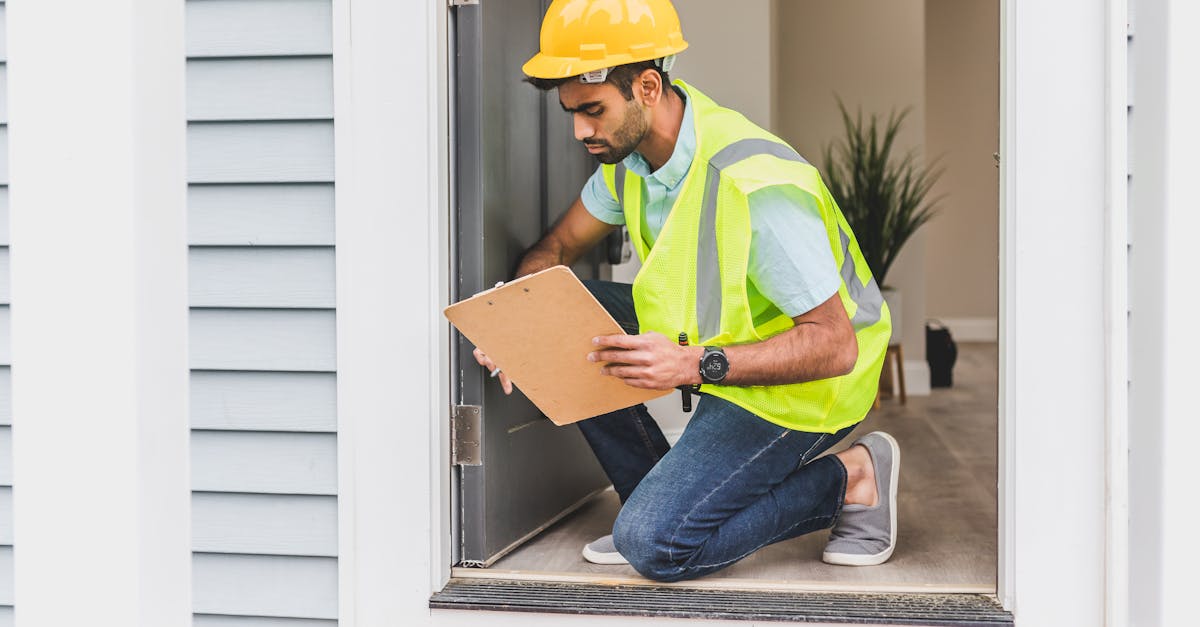
Regular interior inspections focus on key features such as plumbing, electrical systems, and HVAC units. Property owners should examine all plumbing fixtures for leaks or signs of corrosion. Inspecting outlets and switches for functionality ensures electrical safety. HVAC systems require seasonal check-ups to maintain efficiency and comfort. Windows and doors need checks for proper sealing, which impacts energy efficiency. Keeping an eye on the condition of walls and ceilings helps catch signs of moisture or mold early.
Exterior Inspections
Exterior inspections prioritize components exposed to the elements. Roofs should undergo evaluations for missing shingles or damage. Siding and paint need checks for peeling or cracks to prevent further degradation. Landscaping plays a role in maintaining property aesthetics and drainage. Inspecting gutters and downspouts for clogs ensures proper water flow and minimizes flooding risk. Driveways and walkways require assessments for cracks or shifts that could pose safety hazards.
Safety Checks
Safety checks encompass fire safety measures and carbon monoxide detectors. Regular testing of smoke detectors ensures they function correctly and batteries remain charged. Fire extinguishers should undergo inspections for accessibility and pressure levels. Security systems, including alarms and outdoor lighting, should receive periodic evaluations. Checking for tripping hazards contributes to overall tenant safety. Ensuring handrails and staircases comply with safety regulations is essential for preventing accidents.
Seasonal Maintenance Considerations
Seasonal maintenance ensures properties remain in top shape year-round. Each season brings unique tasks that require attention.
Spring Maintenance
Spring maintenance focuses on revitalizing properties after winter. Inspecting the roof for damage from snow and ice remains crucial. Cleaning gutters prevents water buildup and potential foundation issues. HVAC systems need servicing to prepare for the warmer months. Landscaping tasks include assessing lawn health and planting flowers to enhance curb appeal. This proactive approach helps homeowners avoid larger repairs later.
Summer Maintenance
Summer maintenance emphasizes outdoor spaces and cooling systems. Checking air conditioning units for efficiency ensures comfort during heat waves. Inspecting and repairing outdoor decking prevents safety hazards and enhances enjoyment. Pools require regular cleaning and chemical balancing to provide a healthy swimming environment. Maintaining landscaping through regular mowing and trimming promotes aesthetics and property value.
Fall Maintenance
Fall maintenance prioritizes preparing homes for winter weather. Clearing gutters again prevents ice dams and protects roofs. Testing heating systems guarantees reliable warmth during cold months. Homeowners should inspect windows and doors for drafts and address any sealing issues. This preparation significantly reduces heating costs and increases overall comfort.
Winter Maintenance
Winter maintenance requires attention to safety and property integrity. Regularly checking for ice accumulation on roofs helps prevent structural damage. Inspecting insulation in attics and basements maintains energy efficiency. It becomes essential to monitor heating systems for any irregularities. Preparing emergency kits with essentials supports readiness for winter storms. Taking these precautions ensures properties withstand winter challenges effectively.
Digital Tools For Property Maintenance
Digital tools enhance the efficiency of property maintenance. Software applications streamline scheduling and tracking of inspections and repairs. Mobile apps enable property owners to access their maintenance checklists on the go.
Property management systems centralize information, allowing easy communication between owners and maintenance teams. Some platforms offer real-time reporting features, allowing property owners to monitor issues as they arise.
Cloud-based solutions store important documents, such as warranties and maintenance histories, for easy retrieval. Utilizing automated reminders ensures that essential maintenance tasks aren’t forgotten.
Smart home technology provides alerts for issues like water leaks or HVAC malfunctions, enabling proactive responses. By integrating smart devices, owners maintain oversight of their properties from a distance.
Online service directories simplify finding and hiring qualified professionals for specific repairs. Users compare ratings and reviews to select reliable contractors efficiently.
Financial management tools track maintenance expenses and budget for future projects. Staying organized in accounting helps property owners understand their investment better.
Using digital tools for property maintenance not only saves time but also prevents costly repairs through proactive management. This technology optimizes the upkeep process, ensuring properties remain safe, functional, and appealing throughout the year.
A property maintenance checklist is essential for every property owner looking to maintain their investment efficiently. By systematically addressing tasks and scheduling seasonal upkeep, it helps prevent minor issues from becoming major headaches.
Incorporating digital tools enhances this process, making it easier to track inspections and communicate with maintenance teams. With the right checklist and technology in place, property owners can ensure their properties remain safe, functional, and appealing throughout the year. This proactive approach not only safeguards the property but also provides peace of mind, allowing owners to enjoy their investment with confidence.