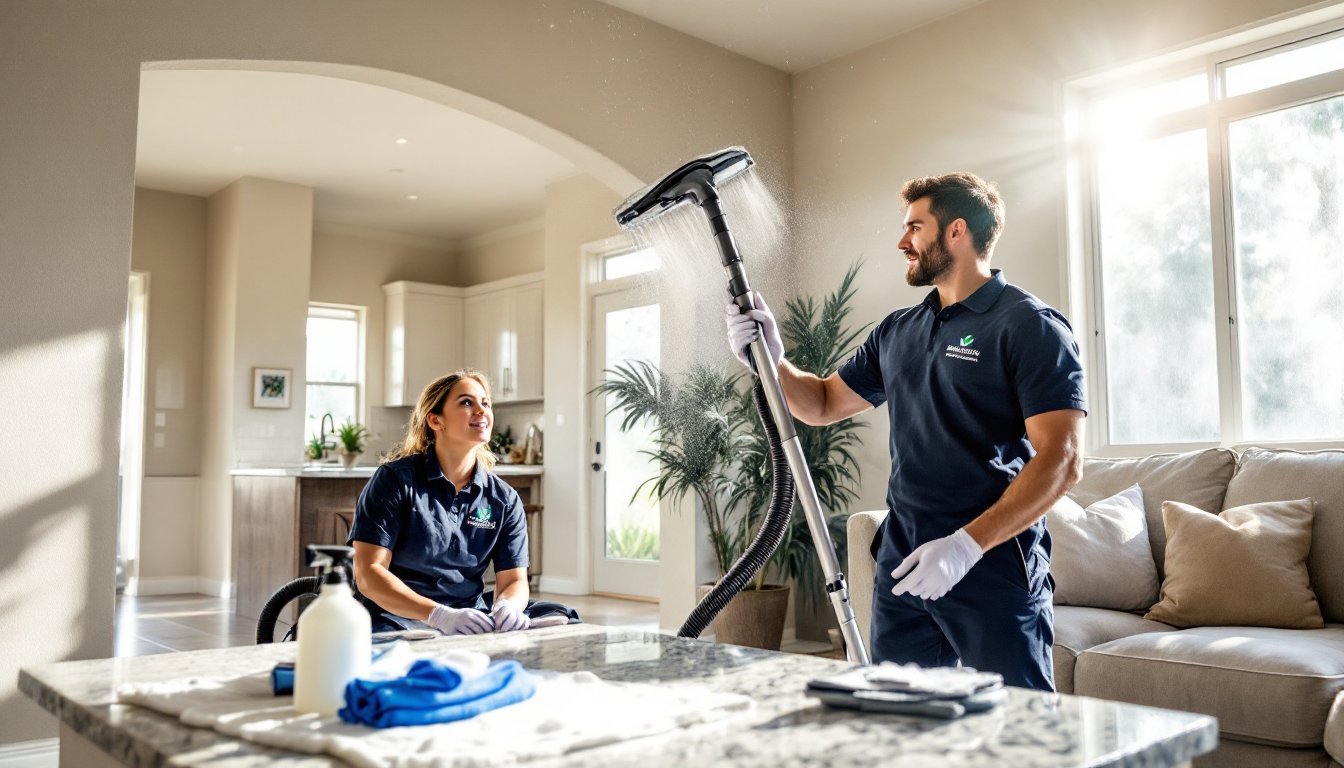
In the bustling world of retail, keeping everything in tip-top shape is crucial. Imagine walking into a store where the shelves are stocked, the floors shine brighter than a diamond, and the air smells like fresh coffee. Sounds dreamy, right? But without a solid retail maintenance checklist, that dream can quickly turn into a nightmare of broken displays and unhappy customers.
Table of Contents
ToggleImportance Of A Retail Maintenance Checklist
A retail maintenance checklist plays a crucial role in sustaining productivity and operational integrity. By adhering to this structured plan, retailers ensure a consistently appealing environment for customers. Regular upkeep decreases the likelihood of equipment failures or accidents, thereby promoting safety and efficiency.
Using a checklist helps staff remain organized. Employees can easily track daily tasks, such as cleaning, inventory checks, and equipment inspections. Routine checks prevent small issues from escalating into costly problems that disrupt operations.
Customers notice the store’s condition. A well-maintained retail space enhances visual appeal and encourages them to shop longer. Retailers experience increased sales when their environment reflects professionalism and attention to detail.
Documentation serves as an essential tool. Keeping records of maintenance tasks helps identify patterns over time, facilitating proactive measures and improvements. In addition, compliance with safety regulations becomes simpler through thorough documentation, protecting workers and customers alike.
Employing a maintenance checklist promotes accountability. Employees understand their responsibilities clearer, which fosters teamwork and a sense of ownership. Consistent performance assessments contribute to higher employee morale and decrease turnover rates.
Retailers should align their maintenance checklist with the unique needs of their store. Seasonal changes may demand additional tasks, and differing product types require tailored maintenance schedules. Customization enhances the checklist’s effectiveness, ensuring it addresses specific challenges that the retail environment presents.
Key Components Of A Retail Maintenance Checklist
A retail maintenance checklist covers essential components to ensure compliance, efficiency, and safety within the store environment. Focusing on specific areas promotes a well-functioning retail space.
Regular Inspections
Regular inspections play a crucial role in maintaining store operations. These inspections often include checking the state of displays, lighting, and HVAC systems. Ensuring these components operate efficiently helps prevent unexpected outages. Schedule inspections weekly or monthly, depending on the foot traffic and store layout. Employees conducting these inspections should document their findings to track any recurring issues.
Essential Equipment Checks
Essential equipment checks focus on optimizing tools necessary for daily operations. Staff need to examine point-of-sale systems, security cameras, and refrigeration units regularly. Verifying these technologies remain functional prevents interruptions in service and enhances customer experience. Create a checklist specifically for equipment, noting inspection dates and any required repairs. Prioritizing maintenance on high-traffic machines ensures minimal downtime and keeps operations flowing smoothly.
Cleanliness And Organization
Cleanliness and organization significantly contribute to customer satisfaction. Scanning the retail space for cleanliness should occur daily, with staff responsible for tidying up shelves and floors. Regularly organized inventory makes it easier for both staff and customers to find products. Seasonal deep cleaning helps maintain a fresh appearance. Utilize a checklist that includes tasks such as window washing, dusting, and restocking supplies. Prioritizing organization fosters a welcoming environment that encourages longer shopping visits.
Benefits Of Implementing A Retail Maintenance Checklist
Implementing a retail maintenance checklist enhances overall store efficiency. Payment systems benefit from regular checks, ensuring smooth transactions and reducing downtime. Visual appeal improves significantly as maintenance tasks minimize issues such as broken displays and clutter.
Staff members experience increased organization through a clearly defined list of responsibilities. Employees can tackle daily tasks, resulting in fewer overlooked areas. Enhanced accountability fosters teamwork, creating a more cohesive work environment.
Customer experience improves notably, as a well-maintained store entices shoppers to linger. Cleanliness and organization directly correlate with customer satisfaction and lead to higher sales figures. Additionally, an inviting atmosphere encourages repeat visits.
Documentation of maintenance tasks aids in identifying trends over time. This tracking ensures compliance with local safety regulations, providing a secure space for both employees and customers. Safety becomes a priority through systematic inspections, reducing the risk of accidents.
Employee morale often rises as they perceive a commitment to quality and safety. Regular assessments contribute to a feeling of pride among workers, which can lead to decreased turnover rates. Investing in a maintenance checklist supports staff retention and builds a positive workplace culture.
Customization of maintenance checklists allows retailers to meet specific needs. Seasonality impacts the checklist, ensuring that it addresses unique challenges throughout the year. Regular updates keep the checklist relevant, promoting continuous improvement in retail operations.
Common Challenges And Solutions
Retailers frequently encounter challenges in maintaining an inviting and functional environment. One common issue involves outdated or malfunctioning equipment that disrupts operations. Regular inspections can prevent these interruptions by identifying problems early.
Staff accountability may also suffer when responsibilities are unclear. A comprehensive checklist helps delineate tasks, ensuring that each employee understands their role in maintaining the store. Clarity fosters teamwork and enhances overall performance.
Another challenge includes cleanliness and organization, which impact customer perception. Retailers should implement daily cleaning tasks alongside deep cleaning schedules to uphold a pristine appearance. This commitment positively influences customer satisfaction.
Additionally, compliance with safety regulations proves essential. Maintenance checklists enable tracking of necessary safety inspections for equipment and overall store conditions. Documenting these tasks supports adherence to guidelines and protects both workers and customers.
Seasonal changes can present unique challenges, particularly in product management and store layout. Customizing maintenance checklists allows retailers to adapt to these fluctuations, ensuring that the store remains organized and visually appealing throughout the year.
Lastly, turnover rates may rise if employee morale dips due to inadequate maintenance practices. Consistent performance evaluations through checklists can enhance satisfaction and retention by showcasing a commitment to quality.
Addressing these common challenges through specific, actionable solutions creates a more efficient retail environment. Retailers can enhance operational integrity and effectively engage customers by employing structured maintenance checklists.
A retail maintenance checklist is essential for creating an inviting and efficient shopping environment. By implementing a structured approach to maintenance tasks, retailers can prevent small issues from escalating into major problems. This not only enhances the overall customer experience but also boosts employee morale and accountability.
Regular inspections and customized checklists tailored to the store’s unique needs ensure compliance with safety regulations and promote teamwork among staff. As retailers embrace these practices, they’ll find that a well-maintained space leads to increased sales and satisfied customers. Investing in a comprehensive maintenance strategy is a smart move that pays off in the long run.