Every building has its quirks, from that mysterious creak in the floorboards to the light that flickers like it’s auditioning for a horror movie. Keeping a building in tip-top shape isn’t just about aesthetics; it’s about safety and functionality. A well-crafted building maintenance checklist can be the unsung hero of property management, ensuring everything runs smoothly while saving time and money.
Importance Of A Building Maintenance Checklist
A building maintenance checklist serves as an essential management tool for keeping properties in optimal condition. It ensures that routine tasks such as electrical inspections, HVAC servicing, and plumbing checks get carried out consistently. Asset longevity depends on timely maintenance, which this checklist effectively organizes.
The checklist empowers property managers to prioritize safety. Issues like faulty wiring or structural weaknesses pose risks to occupants, making regular inspections necessary. Identifying these problems early helps avoid costly repairs and enhances tenant satisfaction.
Time efficiency plays a significant role in maintaining buildings. A structured checklist helps streamline tasks, allowing property managers to allocate resources effectively. Scheduling routine maintenance tasks with clear deadlines minimizes disruptions and keeps operations running smoothly.
Cost management also benefits from using a maintenance checklist. By addressing maintenance issues proactively, property owners can prevent extensive damage that results in expensive repairs. Tracking maintenance history promotes better budget planning and expense documentation.
Legal compliance is another critical aspect. Property managers are accountable for meeting safety regulations and local codes. A comprehensive checklist assists in ensuring compliance during inspections, reducing liability risks and protecting both tenants and owners.
Overall, a building maintenance checklist simplifies property management. It serves as a systematic approach to prioritize tasks, track maintenance activities, and enhance overall building performance. By employing this valuable tool, property managers maintain safety, efficiency, and cost-effectiveness in building operations.
Types Of Building Maintenance Checklists

Building maintenance checklists vary by frequency and purpose, each designed to ensure property upkeep and safety. These checklists serve as structured guides for property managers to address diverse maintenance tasks promptly and efficiently.
Daily Maintenance Checklist
Daily maintenance checklists focus on immediate tasks essential for smooth operations. Inspecting common areas for cleanliness and safety forms a critical part of daily assessments. Checking lights and electrical systems helps maintain functionality. Additionally, monitoring fire extinguishers ensures they are accessible and charged. Property managers can identify minor issues before they escalate, confirming these routine tasks foster positive tenant experiences.
Weekly Maintenance Checklist
Weekly maintenance checklists encompass tasks requiring more in-depth attention. Inspecting HVAC filters and cleaning air ducts promotes healthy air quality. Conducting exterior property checks addresses issues such as cracked pavement or damaged signage. Furthermore, testing emergency lighting systems ensures they function correctly during emergencies. Regular completion of this checklist supports consistent building performance while minimizing the likelihood of tenant complaints.
Monthly Maintenance Checklist
Monthly maintenance checklists include comprehensive assessments of critical systems and areas. Inspecting plumbing for leaks and signs of wear prevents costly water damage. Evaluating security systems, like alarms and cameras, is crucial for tenant safety. Undertaking roof inspections allows property managers to address wear before significant problems arise. Regular execution of these tasks enhances overall building conditions, thereby extending asset longevity.
Key Components Of A Building Maintenance Checklist
Effective building maintenance checklists encompass crucial elements that ensure property safety and functionality. Focusing on these components minimizes risks and enhances overall management.
Safety Inspections
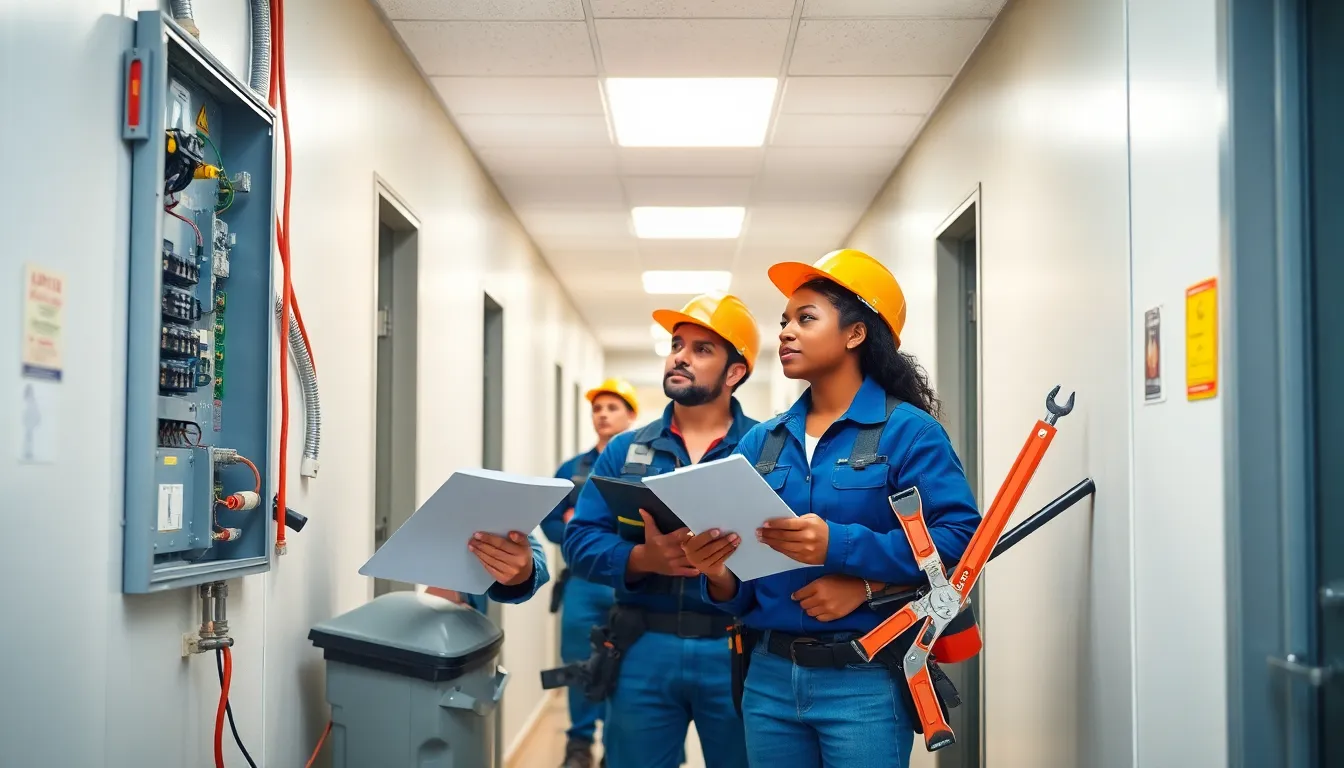
Safety inspections form a foundation for any maintenance checklist. Regular evaluations of emergency exits, fire alarms, and sprinklers ensure compliance with safety regulations. Assessments of common areas, such as stairwells and lobbies, help identify hazards. Regular checks cultivate a safer environment for tenants and visitors, promoting well-being. Property managers should document findings to track issues and ensure timely remediation.
Equipment Maintenance
Equipment maintenance plays a vital role in preserving building functionality. Regular servicing of HVAC systems, elevators, and plumbing reduces the likelihood of unexpected breakdowns. Scheduling inspections based on manufacturer guidelines optimizes performance and extends equipment life. Addressing minor issues promptly prevents costly repairs in the future. Managers can also track maintenance records to streamline future maintenance planning.
Cleaning Protocols
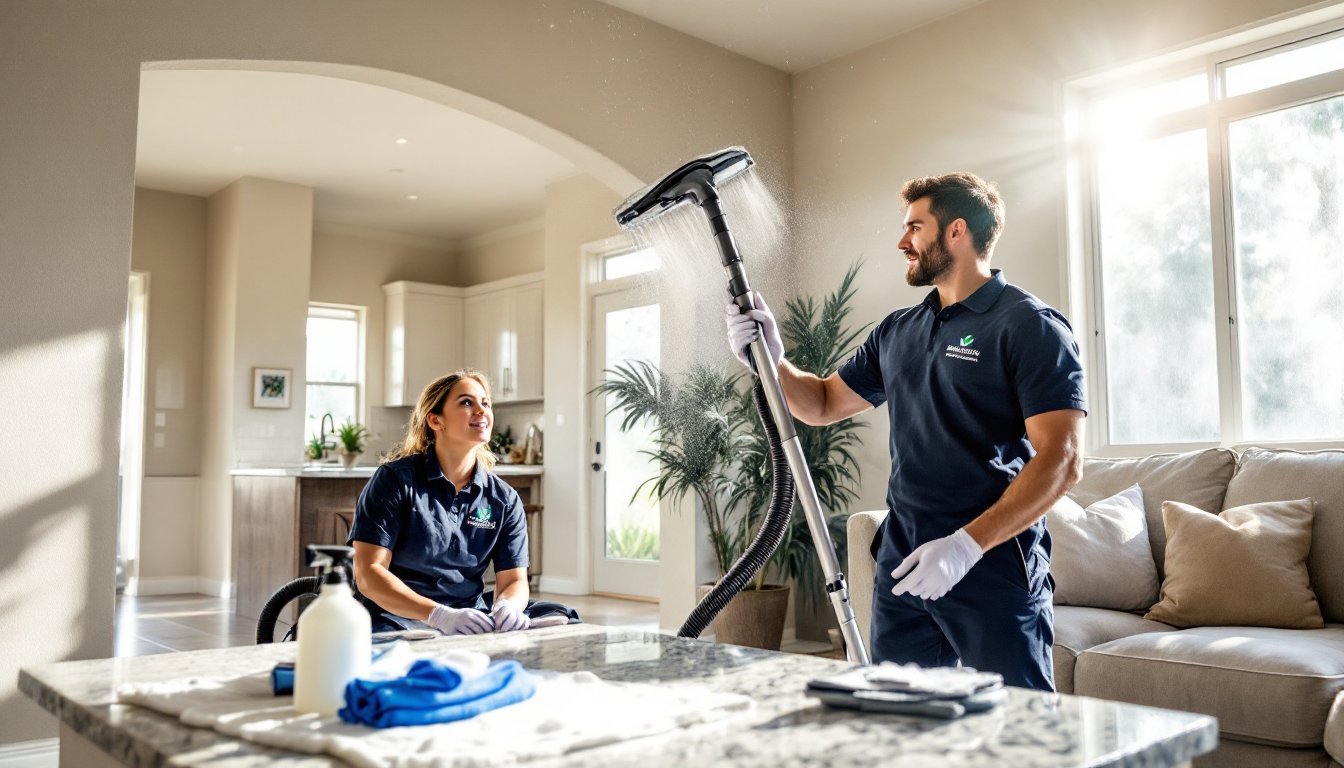
Cleaning protocols maintain health and aesthetic appeal within properties. Daily tasks may include vacuuming common areas, sanitizing high-touch surfaces, and removing debris. Scheduled deep cleaning on a weekly or monthly basis addresses areas that require more thorough attention. Utilizing green cleaning products supports sustainability and tenant health. Proper documentation ensures accountability and enhances overall cleanliness management strategies.
Best Practices For Using A Building Maintenance Checklist
Utilizing a building maintenance checklist effectively boosts safety and efficiency. Implementing best practices ensures that all tasks are completed and that buildings remain in top condition.
Regular Updates
Updating the maintenance checklist regularly maintains its relevance. Changes in building systems or safety regulations often necessitate these updates. Incorporating new tasks or removing outdated ones keeps the checklist aligned with current needs. Regular reviews, ideally quarterly, also ensure the checklist reflects any shifting priorities. Property managers should involve maintenance staff in this process, as their hands-on experience provides valuable insights. This practice fosters accountability and supports a proactive maintenance strategy.
Staff Training
Training staff on how to utilize the building maintenance checklist enhances its effectiveness. Every team member benefits from a clear understanding of their responsibilities. Custom training sessions can focus on specific tasks like safety inspections or equipment servicing. Engaging staff in mock drills reinforces protocols outlined in the checklist. Regular training sessions create a culture of safety and preparedness within the team. Empowering employees with knowledge leads to fewer oversights and more efficient operations.
A building maintenance checklist is an indispensable asset for property managers. It not only streamlines daily operations but also enhances safety and efficiency. By prioritizing routine inspections and maintenance tasks, property managers can significantly reduce the risk of costly repairs and ensure tenant satisfaction.
Regularly updating the checklist and involving staff in the process fosters a proactive approach to maintenance. This commitment to upkeep not only extends the life of building systems but also cultivates a culture of safety among team members. Ultimately, an effective maintenance checklist is key to achieving optimal building performance and meeting regulatory requirements.