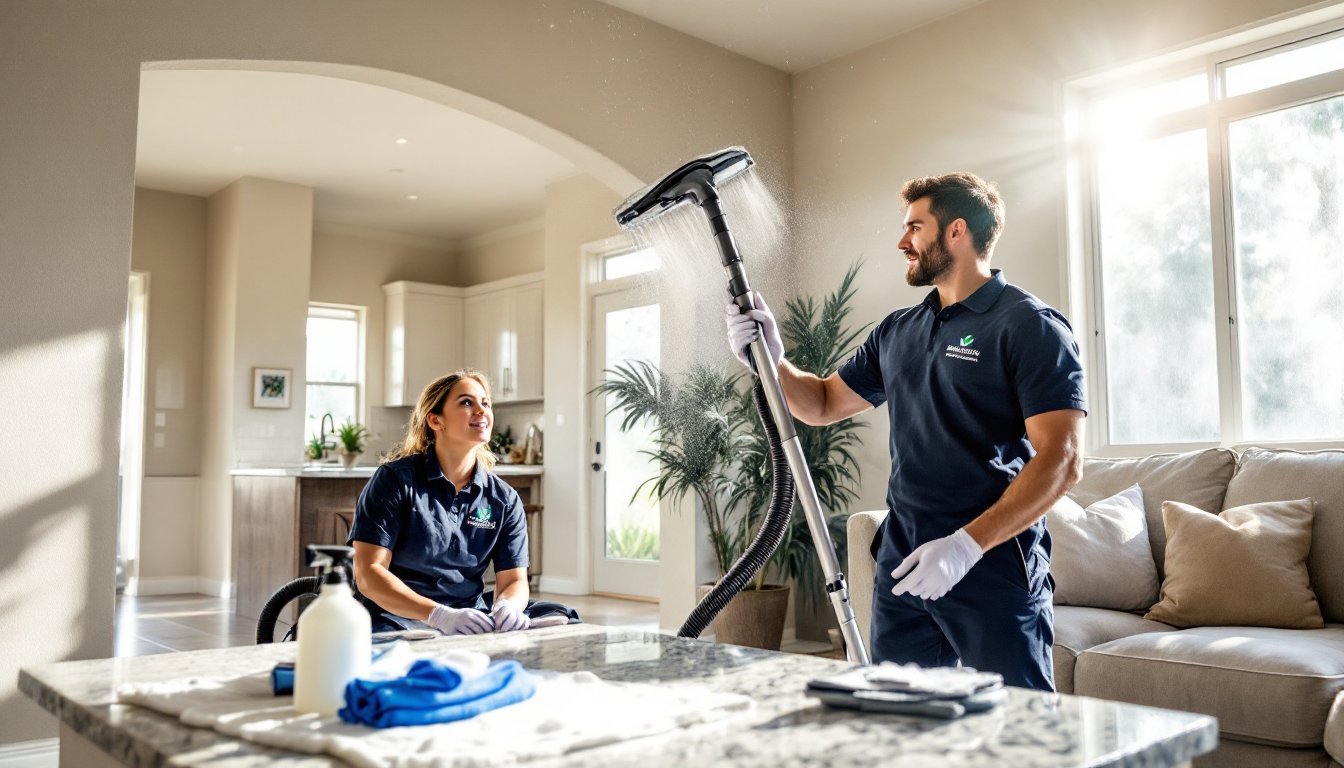
Furniture doesn’t just sit there looking pretty; it needs a little TLC too. Think of it as your home’s way of saying, “Hey, I’m worth it!” Whether it’s that vintage chair that’s seen better days or the sleek sofa that’s a magnet for crumbs, a furniture maintenance checklist can be your secret weapon.
Table of Contents
ToggleImportance Of Furniture Maintenance
Maintaining furniture is crucial for preserving its appearance and extending its life. A well-maintained piece reflects the value placed on it.
Longevity Of Your Furniture
Longevity enhances the enjoyment of furniture. Regular cleaning prevents dust buildup that can damage surfaces. Timely repairs ensure that small issues don’t escalate into major problems. Protecting furniture from direct sunlight prevents fading and deterioration. Utilizing appropriate products for cleaning can avoid harsh chemicals that might harm finishes. Proper maintenance schedules can lengthen the lifespan of a variety of materials, such as wood and upholstery.
Cost Savings Over Time
Cost savings emerge from consistent furniture maintenance. Repairing minor damages typically costs less than replacing entire pieces. Maintaining good condition can increase resale value, benefiting those who choose to sell later. Using protective measures, such as coasters and covers, can prevent spills and scratches, avoiding costly repairs. Skipping maintenance often leads to more significant damage, resulting in higher expenses down the line. By investing time and resources now, furniture owners can save money in the long run.
Essential Furniture Maintenance Checklist
Maintaining furniture involves regular tasks that ensure longevity and aesthetics. This checklist organizes maintenance tasks into daily, weekly, monthly, and seasonal activities.
Daily Maintenance Tasks
Dusting furniture every day keeps surfaces clean and preserves finishes. Wiping spills immediately prevents stains from forming on upholstery and wood. Checking for any signs of wear allows for prompt attention to minor issues. Rearranging items on surfaces prevents uneven wear and enhances the overall look. Ensuring that heavy objects aren’t placed on furniture helps with structural integrity.
Weekly Maintenance Tasks
Vacuuming fabric furniture weekly removes dirt and allergens. Polishing wooden surfaces every week maintains their luster and protects against moisture. Tightening screws and bolts prevents wobbling and potential damage. Cleaning glass surfaces with appropriate cleaners ensures clarity and shine. Fluffing cushions restores their shape and comfort while preventing flattening over time.
Monthly Maintenance Tasks
Inspecting for scratches or dents provides the opportunity for timely repairs. Cleaning behind and underneath furniture prevents buildup of dust and debris. Applying a fresh coat of protective wax or polish enhances finish and protection. Checking for loose joints and reinforcing as necessary maintains durability. Rotating rugs or cushions helps evenly distribute wear and fading.
Seasonal Maintenance Tasks
Deep cleaning furniture seasonally ensures thorough care for all pieces. Rearranging furniture every season refreshes a room’s appearance and prevents constant wear in one area. Inspecting upholstery for fading due to sunlight permits timely treatment or repositioning of items. Conditioning leather every season preserves its softness and prevents cracking. Reviewing and updating protective measures against pests helps maintain integrity and aesthetics.
Common Furniture Materials And Their Care
Understanding how to care for different furniture materials is crucial for maintaining their beauty and functionality. Each material requires specific techniques for upkeep.
Wood Furnishings
Wood furniture thrives with regular dusting using a soft cloth. It benefits from the application of a high-quality wood polish every few months to enhance its luster. Avoid placing wooden pieces in direct sunlight, as this can cause fading and cracking. Applying a protective wax creates a barrier against moisture and stains. Inspect joints regularly to ensure stability and prevent future damage.
Upholstered Furniture
Upholstered furniture requires vacuuming once a week to prevent dust buildup. For spills, immediate blotting with a clean cloth minimizes stains. Depending on the fabric type, professional cleaning every 1 to 2 years can maintain its appearance. Cushions should be rotated regularly to ensure even wear. Incorporating fabric protectors can also enhance stain resistance and simplify cleaning.
Metal Furniture
Metal furniture should be wiped with a damp cloth weekly to remove dust and grime. Rust can develop easily, so using a rust-inhibiting spray on exposed areas is advisable. If scratches appear, touch-up paint can restore the finish. Ensure that joints and screws are regularly checked to maintain structural integrity. Avoid abrasive cleaners that might damage the surface.
Glass Furniture
Glass furniture needs regular cleaning with a glass cleaner and a microfiber cloth for optimal clarity. Any chips or cracks should be addressed promptly to prevent further damage. Avoid placing heavy items on glass surfaces; this reduces the risk of breakage. For stability, regularly inspect support systems. Protective pads under items can prevent scratching and enhance safety.
Tips For Effective Furniture Maintenance
Maintaining furniture requires strategic approaches to cleaning and protection. Implementing these tips can enhance longevity and appearance.
The Right Cleaning Products
Choosing appropriate cleaning products is essential for furniture care. Use pH-balanced cleaners designed for specific materials like wood, upholstery, or metal. Avoid harsh chemicals that can damage surfaces or leave residues. Microfiber cloths effectively capture dust and grime without scratching. For spills, blot immediately with a specific cleaner for fabrics or a wood-safe solution for hard surfaces. Regularly check labels for specific usage instructions to avoid mishaps.
Protecting Furniture From Damage
Protection against damage should be a priority in furniture maintenance. Use coasters and mats under drinks and hot items to prevent stains and burns. Position furniture away from direct sunlight to avoid fading and heat damage. Apply protective wax or sealants to wooden surfaces every few months for additional safeguarding. Furniture with upholstery may benefit from fabric protectors that repel stains and spills. Regularly inspect areas prone to wear, such as corners and edges, to identify any emerging issues early.
Maintaining furniture is essential for preserving its beauty and functionality. By following a structured maintenance checklist, owners can ensure their pieces remain in top condition. Regular care not only enhances the lifespan of furniture but also saves money in the long run.
Understanding the specific needs of different materials allows for tailored maintenance strategies. This attention to detail can significantly improve the aesthetics and value of each piece. Investing time and effort into proper care ultimately leads to a more enjoyable and lasting relationship with furniture.