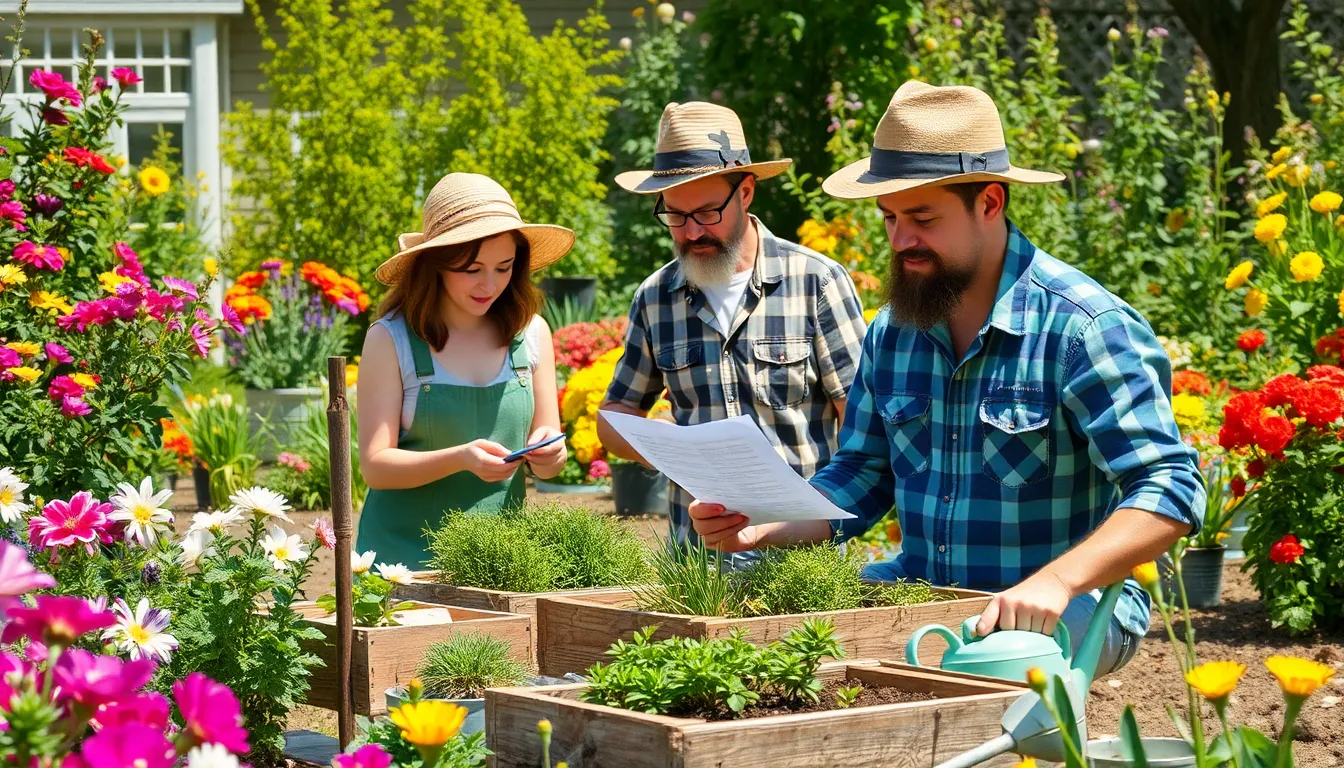
Spring’s just around the corner, and that means it’s time to dust off those gardening gloves and get ready to unleash your inner plant whisperer. But before diving into the dirt, it’s crucial to have a game plan. Enter the garden checklist—a gardener’s best friend that keeps chaos at bay and ensures every seed is sown with purpose.
Table of Contents
ToggleImportance Of A Garden Checklist
A garden checklist plays a crucial role in successful gardening. It encourages thoughtful planning, ensuring gardeners consider factors like climate, soil type, and plant compatibility. By outlining tasks, a checklist aids in tracking progress throughout the seasons.
Using a checklist minimizes the chances of forgetting essential steps. Gardeners can prioritize planting dates, watering schedules, and maintenance tasks, which leads to healthier plants. Identifying potential pests or diseases early on becomes easier with a clear plan in place.
Time management improves with a well-designed checklist. It helps allocate specific time slots for activities, reducing the risk of procrastination. Organizing seasonal tasks fosters a more enjoyable gardening experience, allowing for better focus on plant care.
A garden checklist also enhances resource management. Gardeners can inventory supplies and plan for necessary purchases, avoiding last-minute trips to stores. Managing budgets while shopping for seeds, soil amendments, or tools becomes simpler with an organized approach.
Lastly, a checklist can inspire creativity. By visualizing the garden layout and selecting plants, gardeners witness their creativity unfold. Documenting what worked well and what didn’t in previous seasons offers valuable insights for future endeavors.
Implementing a garden checklist results in a structured pathway to gardening success. It transforms excitement into action, enabling gardeners to effectively nurture their green spaces. Without such organization, the joy of gardening might diminish amid chaos and missed deadlines.
Essential Items For Your Garden Checklist
A well-planned garden checklist includes essential categories that ensure effective gardening. Each category plays a role in promoting a successful gardening experience.
Tools And Equipment
Gardening tools include essential items such as trowels, pruners, and hoe. Gloves protect hands from thorns and dirt. Watering cans or hoses ensure plants receive adequate moisture. A comfortable kneeler provides ease when planting or weeding. Labeling supplies help track plant varieties and locations. Consider investing in a wheelbarrow for transporting soil and plants efficiently.
Soil And Fertilizers
Quality soil serves as the foundation for any garden. A soil test kit identifies nutrient levels to enhance fertility. Organic compost improves soil structure and provides nutrients. Mulch supports moisture retention and suppresses weeds. Selecting the right fertilizers ensures healthy plant growth. Balanced formulas, such as NPK (nitrogen, phosphorus, potassium), cater to specific plant needs.
Seeds And Plants
Choosing seeds and plants requires attention to specific climate conditions. Annuals and perennials differ in longevity and care. Opt for disease-resistant seed varieties for better yields. Native plants thrive with minimal maintenance and support local ecosystems. Companion planting encourages healthy growth and pest control. When planning layouts, consider sunlight and spacing needs for each variety.
Seasonal Gardening Tasks
Seasonal gardening tasks align with the changing climate and plant needs throughout the year. Completing these tasks ensures a thriving and well-maintained garden.
Spring Tasks
Spring tasks set the stage for a vibrant garden. Gardeners should begin by preparing the soil, adding organic compost to enhance nutrients. Planting seeds for cool-season crops like lettuce and peas should follow shortly after. Regularly pruning early-blooming shrubs promotes healthy growth. Additionally, inspecting for pests early in the season allows for effective control before infestations occur.
Summer Tasks
Summer tasks focus on maintenance and care. Watering plants deeply, especially during dry spells, supports root health. Mulching around plants conserves moisture and suppresses weeds. Regularly checking for pests and diseases helps prevent outbreaks that could damage crops. Fertilizing established plants mid-summer provides vital nutrients for continued growth.
Fall Tasks
Fall tasks prepare the garden for dormancy. Cleaning up fallen leaves and debris prevents disease spread. Planting bulbs for spring blooms should be prioritized. Dividing and transplanting perennials enhances their health and vitality. Furthermore, applying a layer of mulch protects soil and helps regulate temperature during winter.
Winter Preparations
Winter preparations safeguard plants and garden tools from harsh conditions. Insulating tender perennials with burlap or mulch offers essential protection. Cleaning and storing tools properly prevents rust and damage. Planning next year’s garden layout during winter inspires enthusiasm and readiness for the upcoming season. Reviewing successes and learning from challenges also helps improve future gardening practices.
Maintaining An Effective Garden Checklist
An effective garden checklist requires regular updates and evaluations. Identify what tasks need attention every month to stay organized. List seasonal priorities, such as pruning in spring and cleaning up debris in fall; this ensures timely action.
Tracking progress remains a key element of checklist management. Document successes as well as areas needing improvement; this will enhance future gardening efforts. Utilizing a digital app or a simple notebook can simplify recording essential observations.
Consider adding reminders for specific plants and their care requirements. Create categories within your checklist for watering schedules, fertilization events, and pest monitoring; this approach maintains focus on crucial tasks and helps prevent oversights. Scheduling tasks around local climate conditions ensures optimal plant health and growth.
Evaluate the tools and supplies needed throughout the gardening season. Regularly check inventory levels for items like soil, fertilizers, and seeds; this will prevent last-minute purchases. Maintain awareness of plant compatibility and seasonal preferences as this will inform decisions about future gardening efforts.
Incorporate creative elements to inspire garden layout changes. Visualizing potential changes on paper or through garden planning software encourages exploration. Referring back to past experiences enriches planning and helps gardeners make informed choices moving forward.
Staying adaptable is vital in gardening. Weather fluctuations can affect schedules; being flexible allows for better management of unexpected challenges. Following this structured approach transforms the garden checklist into a powerful tool, enhancing the overall gardening experience.
A well-structured garden checklist is essential for every gardener looking to maximize their success. By keeping track of necessary tools, soil requirements, and seasonal tasks, it transforms the gardening experience from chaotic to organized. This approach not only enhances productivity but also fosters creativity and adaptability in the face of changing conditions.
Regular updates and evaluations ensure that gardeners remain on top of their game, allowing for timely adjustments and improvements. Embracing this systematic method will lead to thriving gardens and a more fulfilling gardening journey. With a solid checklist in hand, anyone can cultivate their green space with confidence and joy.