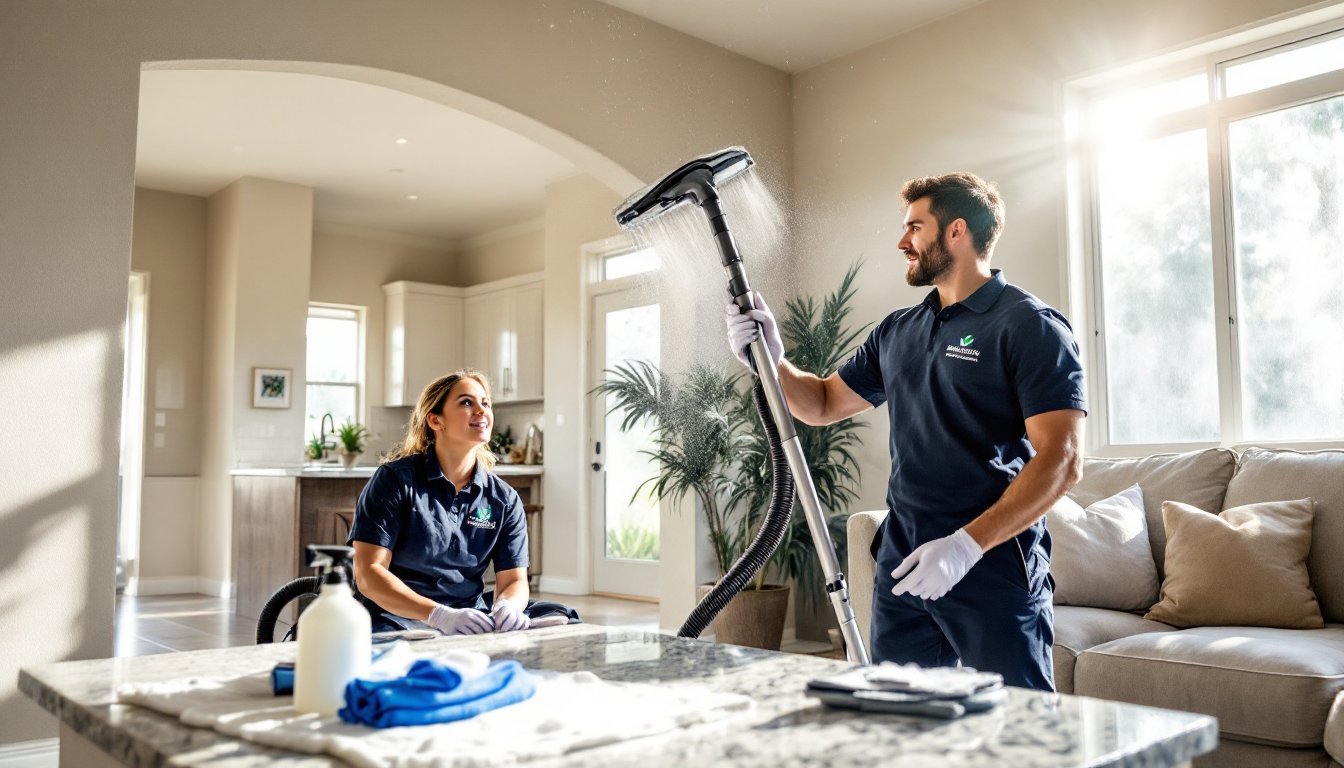
In a world where machines break down faster than a toddler’s toy, preventive maintenance activities are the unsung heroes. Picture this: a well-oiled machine that runs smoother than a jazz band on a Saturday night. That’s what regular maintenance can do. It’s not just about fixing things when they break; it’s about keeping them from breaking in the first place.
Imagine saving time, money, and a whole lot of headaches by simply giving your equipment the TLC it deserves. Preventive maintenance isn’t just a fancy term; it’s a game-changer. By staying ahead of potential problems, businesses can ensure their operations run like a well-tuned clock. So buckle up, because understanding these activities could be the key to unlocking a more efficient and cost-effective future.
Table of Contents
ToggleWhat Are Preventive Maintenance Activities?
Preventive maintenance activities involve regular, planned tasks aimed at preventing equipment failures and prolonging asset life. Companies perform inspections, adjustments, cleaning, and replacements based on established schedules. Key activities include lubrication of moving parts, tightening of bolts, and calibration of equipment. Each task is designed to identify potential issues before they escalate into costly repairs or downtimes.
Specific examples of preventive maintenance tasks consist of rotating equipment for balanced wear, evaluating fluid levels in machines, and testing safety mechanisms. By implementing these tasks, operations reduce unexpected breakdowns significantly.
Preventive maintenance activities enhance machine efficiency and maintain performance standards. They often involve detailed checklists, which help technicians confirm that all necessary tasks are completed. Metrics such as mean time between failures quantify the effectiveness of these activities.
Training and certification of maintenance staff support the success of preventive strategies. Regularly updated training ensures that personnel stay informed about the latest techniques and technologies. Advanced monitoring systems further increase the effectiveness of preventive maintenance programs.
Ultimately, preventive maintenance activities contribute vastly to operational efficiency. Businesses find value in reduced repair costs and extended machinery life. Consistent execution of preventive measures fosters a proactive rather than reactive approach in maintenance schedules.
Importance of Preventive Maintenance Activities
Preventive maintenance activities play a critical role in enhancing operational efficiency. Focusing on scheduled tasks helps businesses avoid unexpected equipment failures.
Reducing Downtime
Minimizing downtime proves essential for maintaining productivity. Regular inspections and timely adjustments significantly decrease the chances of breakdowns. Scheduled maintenance tasks lead to fewer interruptions, ensuring that equipment operates at peak performance. Additionally, uptime improves significantly through proactive measures. Companies can avoid the impact of unplanned repairs on workflow, enabling a smoother operational flow.
Cost-Effectiveness
Cost savings arise from implementing preventive maintenance strategies. Investing in routine tasks reduces the long-term expenditure associated with extensive repairs. Equipment longevity increases, leading to lower replacement costs and reduced capital expenditures. Regular maintenance allows businesses to extend their asset lifespan, enabling better budget allocation. Quantifying these savings reinforces the value of scheduled maintenance activities, demonstrating their significant impact on overall operational expenses.
Types of Preventive Maintenance Activities
Preventive maintenance activities encompass various methods aimed at prolonging the lifespan of equipment and minimizing failures. Two key types include scheduled maintenance and predictive maintenance.
Scheduled Maintenance
Scheduled maintenance involves routine tasks performed at regular intervals. These tasks align with predetermined schedules and include inspections, adjustments, and cleaning. Businesses often schedule tasks based on operational hours or calendar dates, ensuring consistency in maintenance efforts. Examples of scheduled maintenance tasks include lubricating moving parts and replacing worn-out components. By adhering to these schedules, organizations significantly reduce the risk of unexpected breakdowns and enhance overall equipment reliability.
Predictive Maintenance
Predictive maintenance leverages advanced technology to monitor equipment health in real time. This type of maintenance anticipates failures by analyzing data and identifying trends. Techniques such as vibration analysis, thermography, and oil analysis play vital roles in this approach, enabling maintenance teams to act before issues arise. Implementing predictive maintenance helps organizations reduce costs associated with repairs and extends machinery lifespan. Regular data evaluation and monitoring contribute to effective predictive strategies and foster an optimal maintenance environment.
Best Practices for Implementing Preventive Maintenance Activities
Effective preventive maintenance relies on a strategic approach and thorough planning to maximize benefits.
Creating a Maintenance Schedule
Establishing a maintenance schedule involves assessing equipment requirements and operational needs. Regular intervals should be determined based on usage patterns and manufacturer guidelines. Tasks like inspections, lubrication, and cleaning fit within this framework. Consistency in performing these tasks helps prevent unexpected failures. Maintenance teams can utilize software tools to streamline scheduling and track completed tasks. Setting reminders for upcoming maintenance activities ensures nothing is overlooked. Using checklists helps verify that scheduled tasks are carried out efficiently. Therefore, a well-structured schedule enhances equipment reliability and extends asset lifespan.
Training Staff
Training staff plays a vital role in the success of preventive maintenance initiatives. Programs should focus on best practices, safety protocols, and new technologies. Knowledgeable, skilled personnel can perform maintenance tasks to the highest standards. Workshops and certifications foster a culture of continuous improvement. Regular training sessions keep staff updated on evolving techniques and equipment specifications. Investing in employee development directly contributes to reducing downtime and repair costs. Engaged, well-trained staff identify potential issues early, creating a proactive environment. Consequently, competent maintenance teams significantly enhance overall operational efficiency.
Challenges in Preventive Maintenance Activities
Preventive maintenance activities face several challenges that can impact their effectiveness. Understanding these obstacles helps organizations develop strategic solutions.
Resistance to Change
Organizations often encounter resistance to change from employees when implementing preventive maintenance programs. Many personnel prefer familiar routines, resulting in reluctance to adopt new practices. Leadership can combat this by communicating the benefits of preventive maintenance, illustrating improvements in efficiency and productivity. Training sessions that emphasize skill development and the importance of maintenance foster open-mindedness and adaptability. Creating a culture where feedback is welcomed enables staff to engage actively in the implementation process. By addressing concerns and demonstrating success, organizations can reduce resistance to change, facilitating smoother transitions to preventive maintenance strategies.
Resource Allocation
Resource allocation presents a challenge in executing preventive maintenance activities. Limited budgets can restrict access to necessary tools and technologies, hindering the effectiveness of maintenance programs. Organizations must prioritize maintenance in financial planning, ensuring sufficient resources for staffing, training, and equipment. Assessing the cost-benefit ratio of preventive strategies encourages investments that yield long-term savings. Strategic use of maintenance management software can optimize scheduling and resource distribution, effectively streamlining operations. Prioritizing proper allocation of resources leads to increased reliability and reduced downtime, ultimately enhancing overall equipment performance.
Embracing preventive maintenance activities is vital for any organization aiming to optimize its operations. By prioritizing regular inspections and scheduled tasks, businesses can significantly reduce equipment failures and enhance productivity.
Investing in a proactive maintenance culture not only extends the lifespan of machinery but also leads to substantial cost savings over time. With the right strategies in place, including training personnel and utilizing advanced monitoring technologies, companies can effectively navigate challenges and maximize their maintenance efforts.
Ultimately, a commitment to preventive maintenance fosters a more reliable and efficient operational environment, paving the way for sustained success in today’s competitive landscape.