Issaquah homeowners face unique cleaning challenges that generic how-to guides don’t address. The Pacific Northwest’s wet climate, evergreen pollen, seasonal humidity, and mineral-rich water create specific messes that require tailored strategies. Whether you’re maintaining a newer suburban home in Issaquah’s thriving neighborhoods or dealing with an older property, understanding these regional factors transforms cleaning from a frustrating chore into a manageable routine. This guide walks you through the essentials: what supplies work best for local conditions, how to tackle each room efficiently, and when professional help makes financial sense.
Table of Contents
ToggleKey Takeaways
- House cleaning in Issaquah requires specialized strategies tailored to the Pacific Northwest’s high humidity, hard water, and evergreen pollen rather than generic cleaning approaches.
- Essential supplies for Issaquah homes include white vinegar and hydrogen peroxide for mold prevention, citric acid cleaners for hard water deposits, and proper ventilation tools like exhaust fans and dehumidifiers.
- Bathrooms and kitchens need daily condensation wiping and regular mildew prevention since moisture-laden air creates ideal conditions for mold growth in these high-moisture areas.
- Seasonal adjustments matter: spring requires heavy dusting for cedar pollen, summer offers dry periods for maintenance, fall demands gutter cleaning before rain season, and winter prioritizes moisture prevention.
- Professional cleaning services ($200–$400 per visit) are cost-effective for Issaquah homeowners when scheduled 2–4 times yearly, preventing costly mold remediation while maintaining preventative routines.
Why Issaquah Homes Need Specialized Cleaning Strategies
Issaquah’s location in the Cascade foothills means high humidity, frequent rain, and atmospheric moisture that most of the country doesn’t deal with. Your home absorbs moisture differently than it would in drier climates. Mold spores thrive in these conditions, especially in bathrooms, basements, and crawl spaces. Hard water from local sources also leaves deposits on fixtures, glass, and tile that require specific cleaning approaches.
Also, evergreen pollen and tree debris blanket gutters, decks, and siding throughout the year, not just in fall. Spring brings cedar pollen that sneaks indoors and settles on surfaces, requiring more frequent dusting. Winter brings moss growth on roofs and outdoor areas. Understanding these patterns helps you prioritize cleaning tasks rather than trying to tackle everything at once.
The good news: once you adjust your routine and product selection to these conditions, maintenance becomes easier than fighting against the climate. Your home will respond better to preventative cleaning than reactive deep cleans.
Essential Cleaning Supplies for Your Issaquah Home
Stock your cleaning kit with products designed for damp climates and hard water challenges:
Mold and mildew fighters: White vinegar (5% acidity) is your first line of defense and costs pennies. For tougher growth, hydrogen peroxide-based cleaners outperform bleach on porous surfaces without the odor concerns. Keep a mold removal spray rated for bathrooms: brands like Wet & Forget or similar products specifically target Issaquah’s signature humidity issues.
Hard water solutions: Citric acid cleaners or white vinegar dissolve mineral deposits on shower doors, faucets, and tile. A squeegee used daily on shower doors prevents mineral buildup before it hardens.
Floor and surface cleaners: Avoid oil-based products that attract dust in damp air. Water-based, pH-neutral cleaners work better on tile, laminate, and vinyl in high-moisture areas.
Dehumidifier and ventilation: These aren’t cleaners, but they’re equally important. Running exhaust fans during and 20 minutes after showers prevents mildew. A small dehumidifier in basements ($50–$150) pays dividends by reducing spore growth.
Basic toolkit: Microfiber cloths (trap moisture-loving dust), old toothbrushes for grout, squeegees, and a wet-dry vacuum handle spills and moisture better than standard vacuums.
Room-by-Room Deep Cleaning Checklist
Kitchen and Bathrooms
These high-moisture areas need the most attention in Issaquah homes. Start by clearing clutter, soap dishes, toothbrush holders, and kitchen canisters trap moisture underneath.
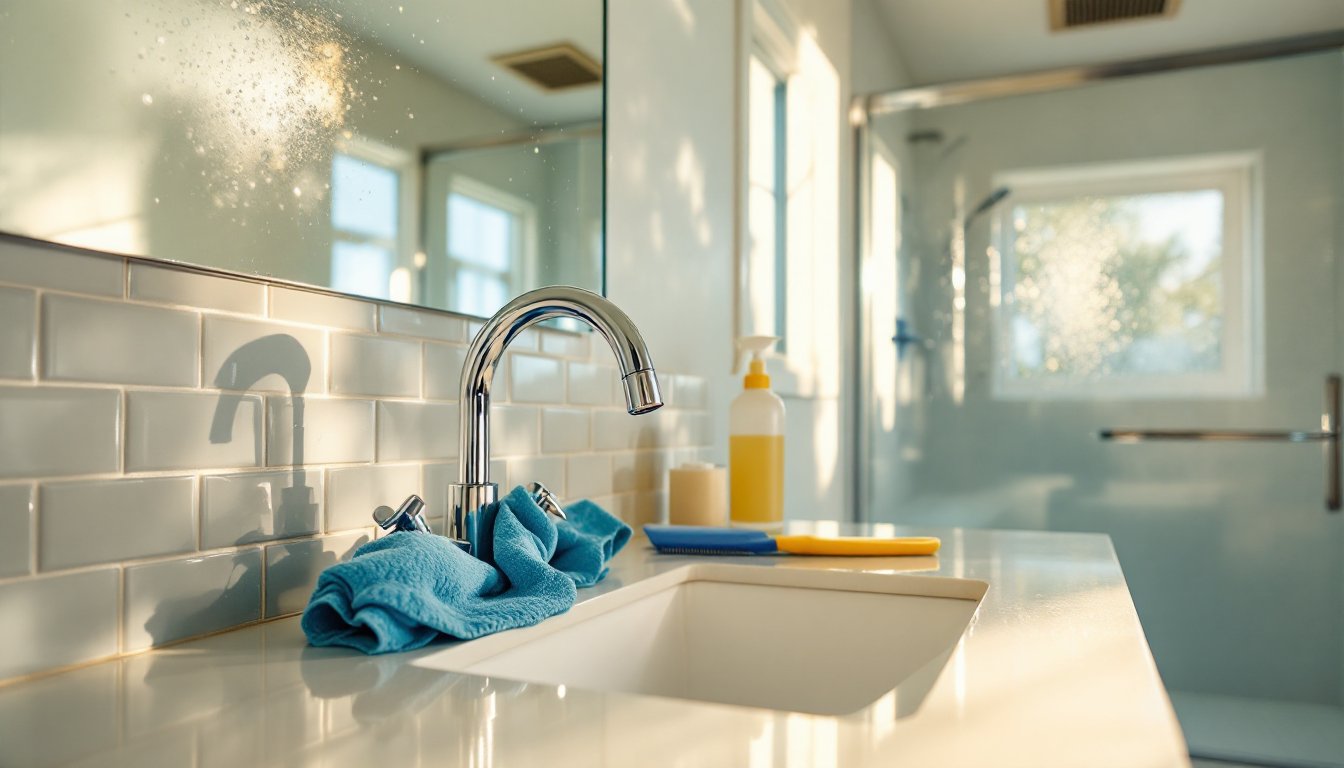
Bathroom deep clean:
- Ventilate: Turn on exhaust fan and open windows.
- Remove items from shelves and surfaces.
- Spray hard water stains on fixtures with white vinegar: let sit 15–20 minutes.
- Scrub grout lines with a soft brush (hydrogen peroxide works better than bleach on mildew).
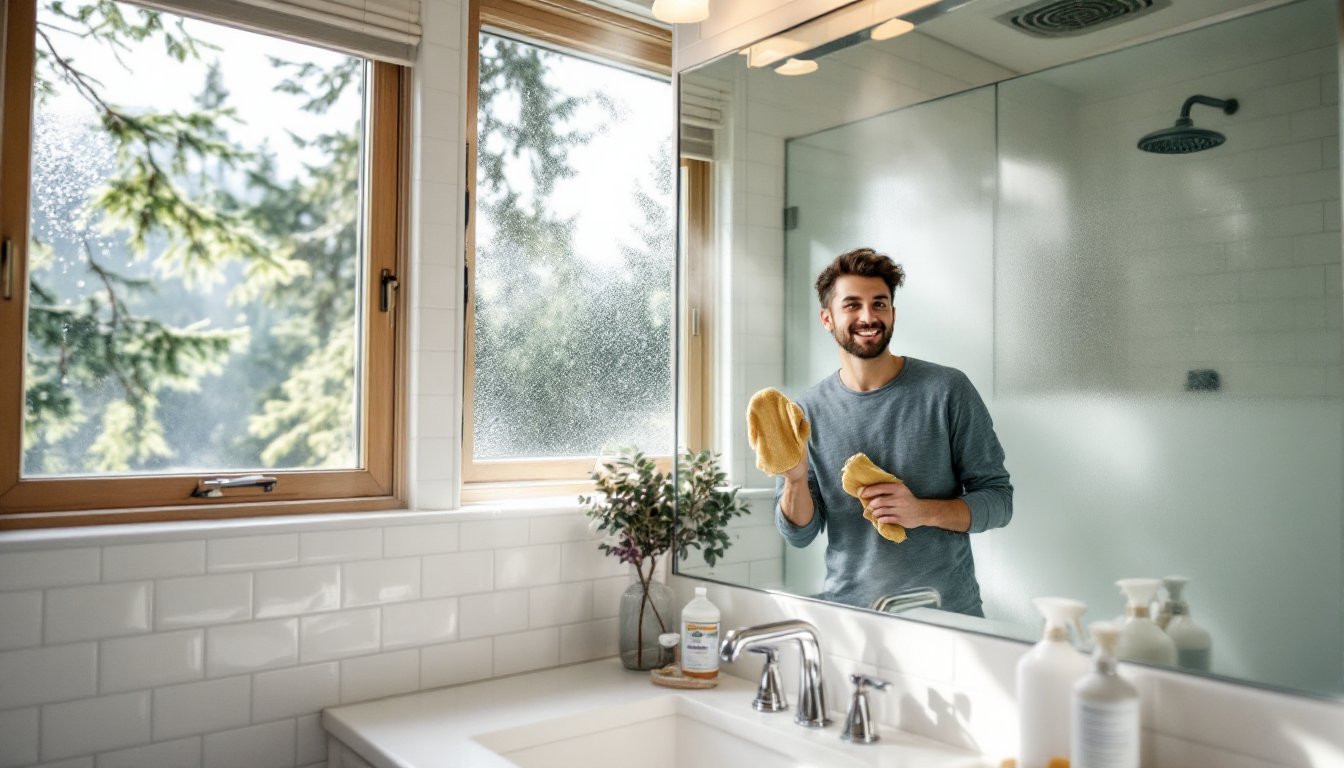
- Clean mirrors and glass with vinegar or a squeegee to reduce mineral spotting.
- Wipe down walls and corners where mold likes to hide, moisture condenses here.
- Dry everything thoroughly before returning items.
Kitchen focus areas:
- Wipe down cabinet undersides and tops (dust and grease accumulate).
- Clean around sink and faucet bases where water pools.
- Degrease stovetop and range hood: grease traps moisture.
- Wipe refrigerator coils and ensure water drainage line isn’t clogged (prevents pooling).
- Check under sink for leaks or moisture: dry thoroughly after use.
Both rooms need daily wiping of condensation, a microfiber cloth takes seconds and prevents mold before it starts.
Living Areas and Bedrooms
These spaces accumulate dust faster in damp climates because moisture-laden air carries particles.
Living room checklist:
- Dust ceiling corners and baseboards (mold spores settle here).
- Vacuum or wipe upholstered furniture weekly: humidity causes odor.
- Clean windows and sills: they sweat with temperature changes, trapping dirt in moisture.
- Wipe down light switches and door handles (touched constantly, harbor moisture).
- Check closet corners for moisture or musty smells, use small sachets or a rechargeable dehumidifier.
Bedroom strategy:
- Flip and rotate mattresses monthly to prevent moisture absorption.
- Open windows daily if weather permits: air circulation defeats humidity.
- Avoid heavy curtains that trap moisture: use light, washable ones.
- Dust nightstands, headboards, and ceiling fans (dust + moisture = grime).
Bedrooms in Issaquah benefit from a simple rule: minimize fabric surfaces and maximize air movement.
Seasonal Cleaning Tips for Pacific Northwest Weather
Spring (March–May): Cedar pollen explodes. Dust settles on everything indoors even though closed windows, it hitches rides on clothing and pets. Deep clean all horizontal surfaces, wash windows inside and out, and vacuum more frequently. This is prime time for mold blooms after winter moisture: inspect and clean window tracks, baseboards, and closet corners.
Summer (June–August): Use dry spells to air out the house. Wash exterior windows and gutters to prevent debris-clogged gutters that trap moisture and cause roof issues. Clean air conditioning filters and condenser coils if you have them. Humidity is lower, so this is your chance to refinish wood furniture or tackle projects that need dry conditions.
Fall (September–November): Leaves and debris pack gutters: clean them monthly. Check for water intrusion around windows and doors before rain season intensifies. Inspect basement or crawl space for moisture before the wettest months. Clean and seal grout in bathrooms and kitchens before constant humidity returns.
Winter (December–February): This is the wettest season. Focus on moisture prevention: check weatherstripping, run exhaust fans religiously, and keep dehumidifiers running in damp areas. Condensation on windows is normal, but wipe it away daily to prevent mold growth at frames. Check gutters after heavy rain to ensure water’s flowing away from the foundation.
Each season’s unique challenges require adjustments rather than a static cleaning routine.
DIY vs. Professional Cleaning Services in Issaquah
When DIY makes sense: Weekly tidying, dusting, and vacuuming are straightforward tasks anyone can handle with basic supplies. Monthly deep cleans of bathrooms and kitchens take 2–3 hours and cost under $30 in supplies. If you enjoy the process and have weekend time, DIY keeps costs low and teaches you your home’s trouble spots.
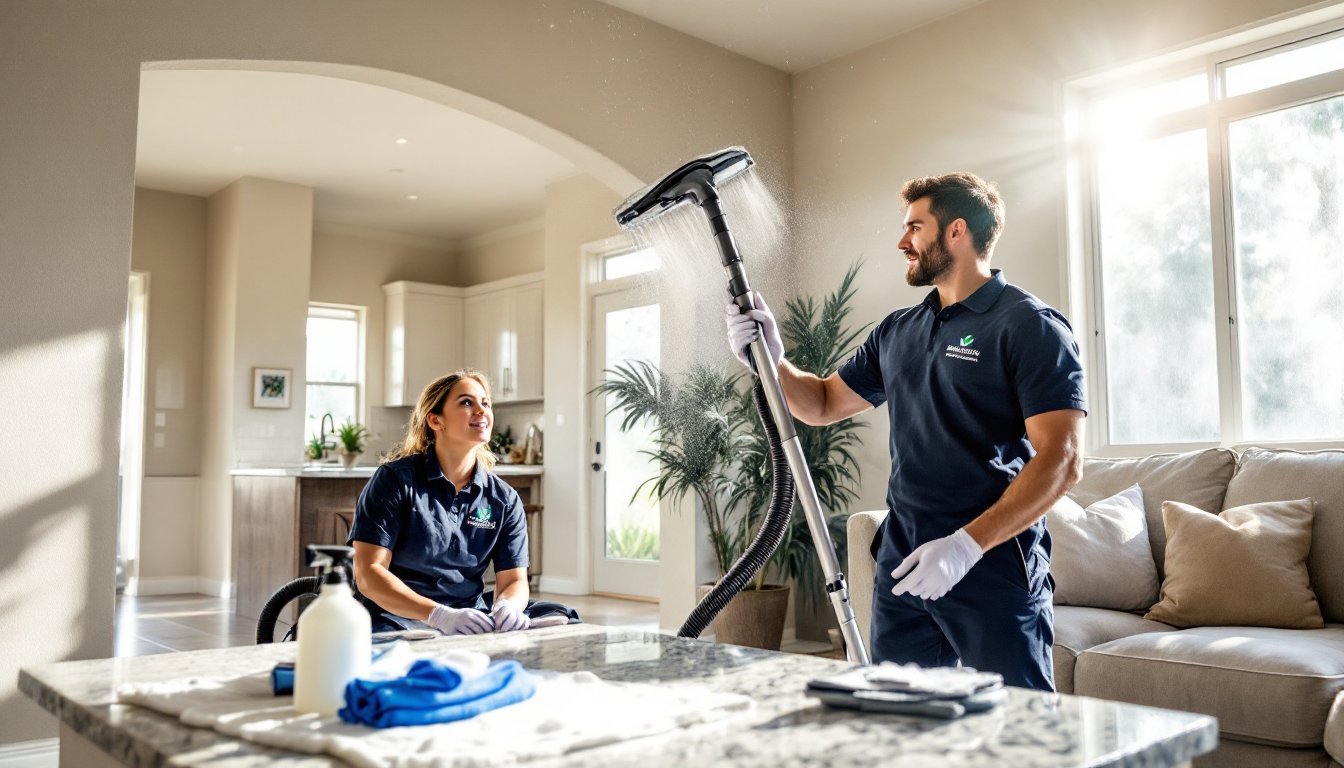
When professional help pays off: According to home organization and cleaning guides, deep cleaning services typically cost $200–$400 in Issaquah depending on home size and current condition. Professional teams have commercial-grade equipment (HEPA-filter vacuums, high-powered extractors) that handle moisture better than consumer gear. They’ll catch mold in hidden areas, behind appliances, in duct work, under baseboards, before it becomes a health issue.
Mold remediation, if your home develops significant growth, requires licensed professionals and may exceed $1,000. This isn’t a DIY project: incorrect handling spreads spores and creates liability.
Hybrid approach: Many Issaquah homeowners hire professionals 2–4 times yearly (spring, post-winter, pre-winter, and summer) and maintain between visits. This balances cost with the reality that Issaquah’s climate demands more vigilance than other regions. Tested home cleaning recommendations emphasize that consistency matters more than intensity, weekly prevention beats monthly panic cleaning.
Budget roughly $600–$1,200 annually for professional cleaning if you go this route. Less expensive than a single mold remediation and far better for your health.