Round Rock’s climate and environment create unique cleaning challenges that generic how-to guides don’t address. The area’s hard water, humidity swings, and soil composition mean homeowners face different grime patterns than those in other regions. Whether dealing with mineral deposits from treated water or dust from the surrounding terrain, Round Rock residents need a tailored approach to house cleaning that saves time and delivers real results. This guide walks through the specific considerations for Round Rock homes, practical supply strategies, and a room-by-room system that actually works in Central Texas.
Table of Contents
ToggleKey Takeaways
- House cleaning in Round Rock requires specialized products for hard water and mineral deposits, as the area’s limestone-rich aquifers create unique cleaning challenges that generic all-purpose cleaners cannot effectively address.
- Central Texas humidity and clay soil composition demand more frequent dusting, HEPA-filter vacuums, and mold prevention strategies—particularly in bathrooms and basements during summer months.
- A top-to-bottom, room-by-room cleaning approach maximizes efficiency by preventing retraced steps and allows you to tackle problem areas like hard-water stains in kitchens and bathrooms with targeted solutions.
- Daily habits such as squeegee use on shower glass, immediate dishwashing, and regular faucet aerator maintenance prevent mineral buildup far better than occasional deep cleaning efforts.
- Professional cleaning services every 4–6 weeks combined with weekly DIY maintenance offers a cost-effective hybrid approach for Round Rock homeowners struggling with mineral deposits and mold that resist standard cleaning products.
- Seasonal adjustments—including increased HVAC filter changes in spring, elevated mold monitoring in summer, and thorough ventilation shifts in fall—align house cleaning routines with Central Texas weather patterns.
Why Round Rock Homes Need Special Cleaning Considerations
Round Rock’s water quality is a major factor most homeowners overlook. The city draws from limestone-rich aquifers, resulting in hard water that leaves mineral deposits on fixtures, glass, and tile. Tap water alone deposits calcium carbonate on faucets and shower doors, which requires acid-based cleaners rather than generic all-purpose sprays. Vinegar works for light buildup, but heavy lime scale needs a dedicated hard-water cleaner designed for alkaline mineral removal.
Central Texas humidity also affects indoor surfaces differently than drier climates. During summer months, moisture promotes mold growth in bathrooms and basements, especially around poorly ventilated areas. Dust composition here is different too, the region’s clay soil and construction activity create finer particulates that settle faster on shelves and electronics, demanding more frequent surface wiping.
Temperature swings between seasons accelerate cleaning urgency. Winter cold means less air circulation indoors, trapping allergens and dust, while summer heat increases moisture-related staining. Round Rock homes built on limestone foundations may also experience mineral-tinted water spots on exterior windows and siding, requiring specialized exterior cleaning approaches. Understanding these conditions helps homeowners choose the right products and cleaning frequency rather than wasting effort on generic routines.
Essential Cleaning Supplies Every Round Rock Homeowner Should Stock
Start with a hard-water specific cleaner, not all-purpose spray. Products containing citric acid or phosphoric acid break down mineral deposits far better than generic cleaners. Bar Keeper’s Friend works well for scrubbing tough deposits on stainless steel and tile: Scrubbing Bubbles handles bathroom tile with less elbow grease. White vinegar is cheap and effective for light mineral buildup but won’t cut heavy lime scale alone.
For mold and humidity challenges, keep a mold-fighting spray on hand. Bleach-based products work fast but emit strong fumes, reserve these for ventilated spaces. Enzyme-based mold cleaners work slower but are safer around pets and kids. Lysol or similar disinfectants are useful for high-touch surfaces, especially during humid months when germs thrive.
Dust and allergen control requires microfiber cloths and HEPA-filter vacuum bags. Standard vacuum bags trap larger particles, but Round Rock’s fine clay dust slips through, recirculating into the air. Invest in a vacuum with a HEPA filter and replace bags or empty canisters frequently.
Round out your kit with baking soda (deodorizing and mild abrasive), oxygen bleach (safer than chlorine for colored surfaces), and a squeegee or microfiber cloth for windows. According to Good Housekeeping’s 2023 Best Cleaning & Organizing Awards, invest in tools that perform consistently rather than jumping between discount brands that underdeliver.
Room-by-Room Cleaning Strategy for Maximum Efficiency
The key to efficient cleaning is moving top to bottom and room to room, not jumping between tasks. Start with bedrooms and living areas, work through the kitchen and bathrooms last (where the heaviest buildup occurs), then finish with floors throughout. This prevents retracing steps and spreading grime.
Bedrooms and living spaces are straightforward: dust surfaces, vacuum carpet or sweep hardwood, wipe light switches and door handles. Most buildup here is dust and allergens rather than hard-water residue. Use a microfiber cloth slightly dampened with water or a light dusting spray. Don’t oversaturate, damp cloth, not wet.
Floors deserve their own focus. Vacuum carpeted areas thoroughly before sweeping or mopping hard floors. Hard-water stains on tile grout are common in Round Rock: for stubborn grout lines, mix baking soda and water into a paste, let sit 10 minutes, then scrub with a stiff brush. Hardwood floors don’t need heavy moisture, use a barely damp mop to avoid water damage.
Kitchen and Bathroom Deep Cleaning Priorities
Kitchen cleaning focuses on grease removal and hard-water management. Stovetops and range hoods trap cooking oils mixed with dust, a degreaser spray followed by hot water and microfiber cloth handles this better than scrubbing. For a stainless steel sink, use a dedicated stainless cleaner to avoid water spots and fingerprints. Faucet aerators in Round Rock homes clog frequently from mineral buildup: remove and soak the aerator in vinegar overnight, then run hot water through the base to flush deposits.
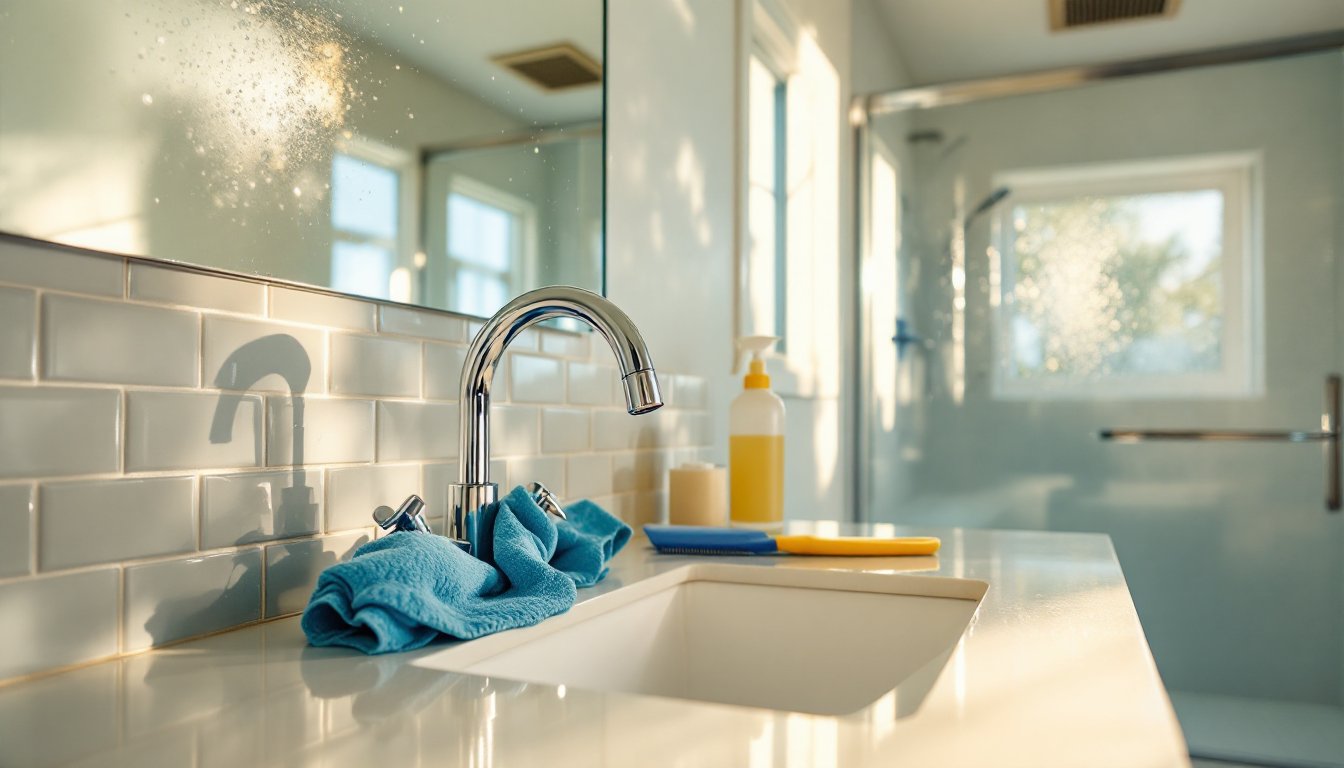
Bathrooms demand the most attention and the right chemistry. Focus on three problem areas: faucet and fixture hard-water stains, shower/tub soap scum, and tile mold. For fixtures, spray with hard-water cleaner and let sit 5-10 minutes before wiping, don’t scrub dry. Shower doors respond well to a squeegee after each shower (prevents mineral accumulation), but existing buildup requires a soaking overnight spray. Tile and grout mold appears quickly in humid seasons: spray mold remover, ventilate the room, wait 15 minutes, then rinse and wipe. Towel dry fixtures after cleaning to prevent new mineral spots. Bathroom ventilation matters, run the exhaust fan during showers and for 20 minutes after to reduce moisture.
Tackling Seasonal Cleaning Challenges in Central Texas
Spring (March–May) brings pollen and increased dust from construction activity nearby. This is the ideal time for exterior window cleaning and washing down patio furniture. Inside, dust surfaces more frequently and replace HVAC filters: Round Rock’s clay dust clogs filters faster than other regions. Open windows when pollen counts are low (early morning) to naturally ventilate and reduce indoor dust accumulation.
Summer (June–August) means maximum humidity and mold risk. Run bathrooms and kitchen exhaust fans during and after cooking or showering. Inspect grout monthly, if mold appears, treat immediately before it spreads. Basement or utility room corners are particularly vulnerable: keep these areas dry and well-ventilated. Increase hard-water stain cleaning frequency on outdoor faucets and hose bibs, which see heavy use during watering season.
Fall (September–November) offers a natural break from summer humidity. This is a smart time to deep clean before holiday season and prepare for cooler months. Wash windows inside and out, tackle closets and corners where summer dust settled, and refresh AC vents before shifting to heating mode.
Winter (December–February) brings lower humidity but often poor air circulation indoors. Dust buildup accelerates: compensate with more frequent vacuuming and surface wiping. Hard-water stains persist year-round, so keep mineral-removal products stocked. The season is ideal for thorough kitchen and appliance deep cleaning when outdoor work isn’t pressing.
Maintaining Your Home Between Professional Cleaning Sessions
Daily habits prevent buildup far better than occasional deep cleans. Run dishwashers or hand-wash immediately after use so mineral deposits don’t cement onto dishes. Wipe bathroom mirrors and fixtures after showers to prevent water-spot accumulation. Use a squeegee on shower glass every time to reduce mineral and soap scum layering.
Weekly routines should include vacuuming with a HEPA filter, wiping kitchen and bathroom high-touch surfaces, and quick floor sweeping. Monthly, tackle baseboards with a microfiber cloth and handle faucet aerators (soak in vinegar if mineral buildup is visible).
According to Real Simple’s home organization guides, maintaining momentum between deep cleans depends on consistent habits, not heroic effort-days. A 15-minute daily tidy plus 45 minutes weekly keeps homes manageable year-round. The payoff: professional cleaners arrive to a maintained space, which costs less and achieves better results than cleaning a neglected home from scratch.
When to Call Professional Cleaners vs. DIY Solutions
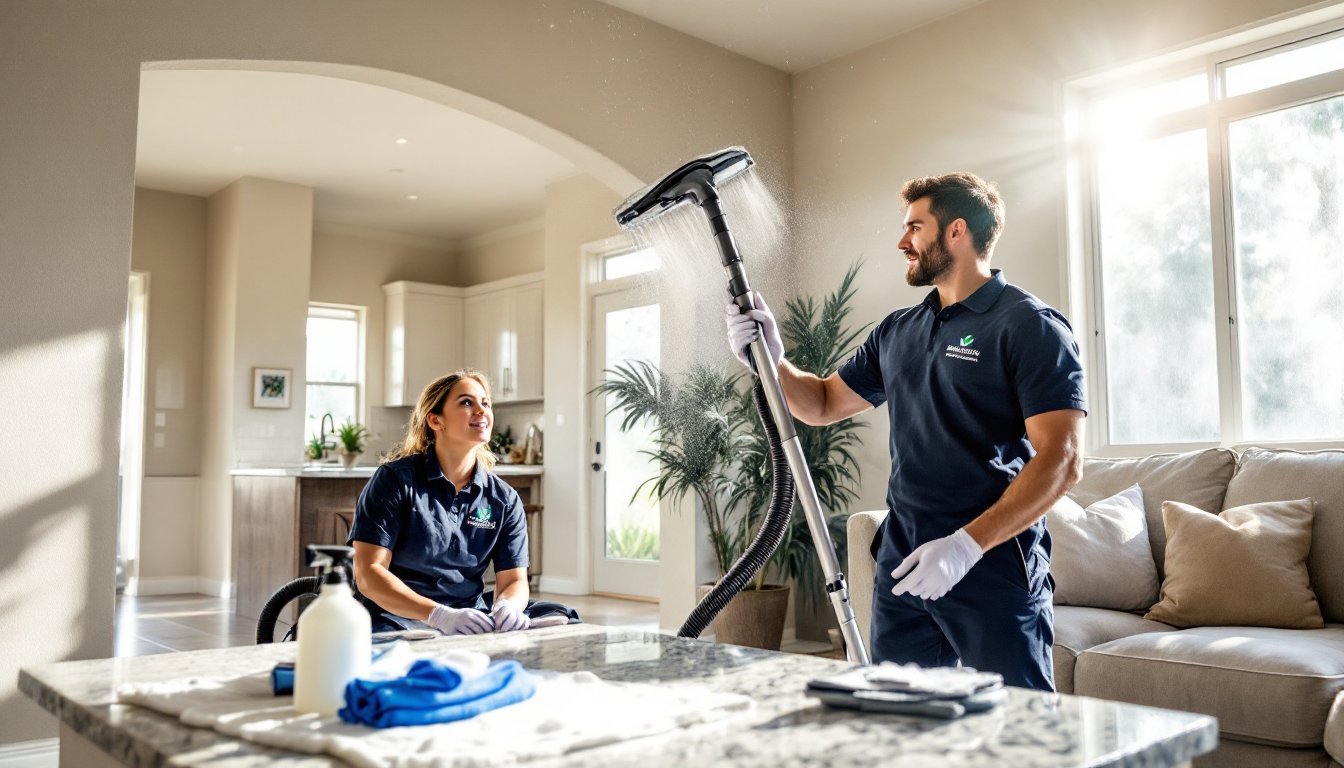
Professional cleaners make sense for deep cleaning tasks that demand equipment or expertise homeowners lack. Heavy mold removal, professional-grade hard-water stain removal, and carpet steam cleaning often justify professional service. Round Rock’s mineral-heavy water benefits from professional equipment designed to handle hard deposits that consumer products struggle with.
DIY works well for routine weekly and monthly maintenance, surface dusting, and basic bathroom cleaning. Homeowners with time and the right supplies handle these tasks effectively. If you’re spending 2+ hours per week on cleaning and finding results unsatisfactory, a professional service every 4–6 weeks combined with your weekly maintenance becomes cost-effective.
Cost varies by home size and condition. Round Rock homes typically range from $150–400 for a standard residential clean, depending on frequency and services. One-time deep cleans cost more: regular biweekly or monthly service reduces per-visit cost. When budgeting, factor in the value of your time and the satisfaction of having a professional handle mineral deposits and mold that resist DIY efforts. Some homeowners hire professionals quarterly for deep work while maintaining weekly routines themselves, this hybrid approach balances cost and results.