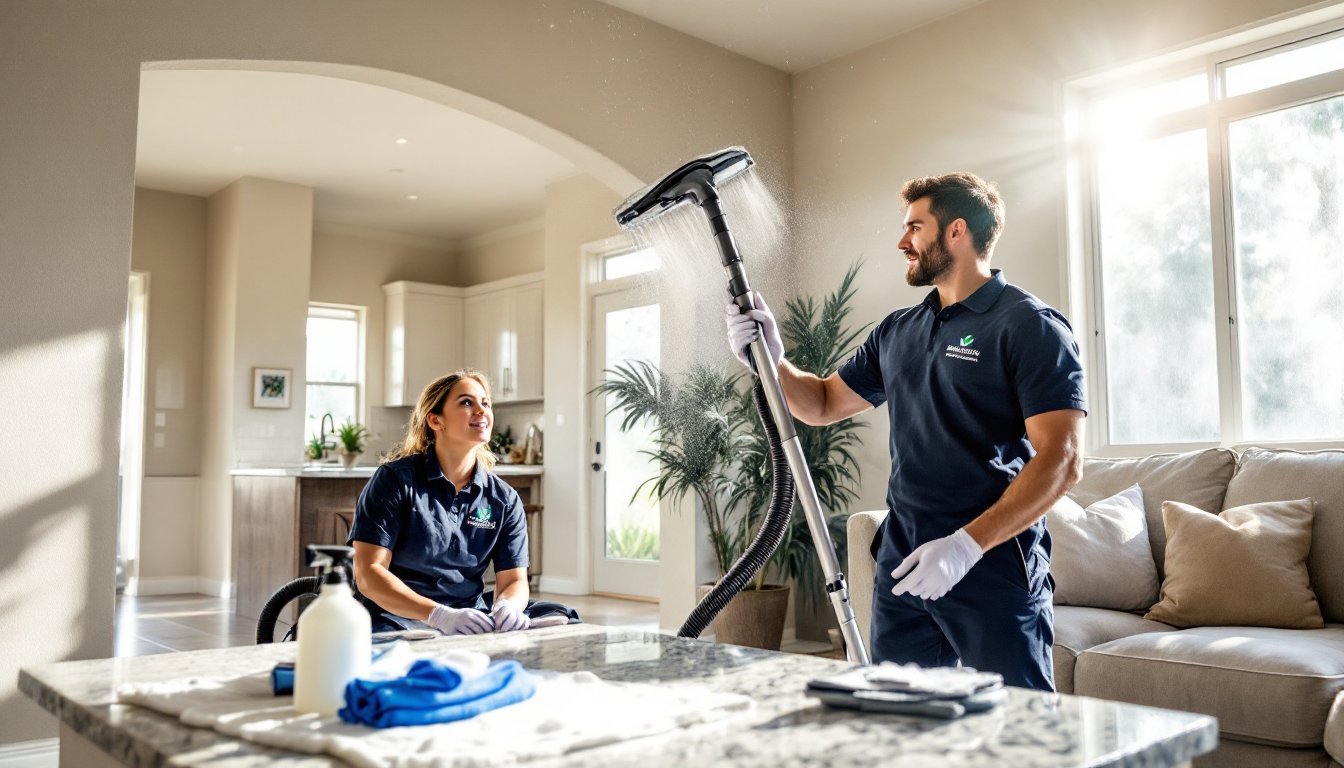
Broomfield homeowners face a unique set of cleaning challenges shaped by Colorado’s high altitude, dry climate, and seasonal weather shifts. Dust storms in spring, dry air year-round, and heavy pollen counts demand a cleaning approach tailored to the region’s specific conditions. Whether tackling a weekly refresh or preparing a deep clean, understanding what works in Broomfield’s climate, rather than relying on generic national advice, makes the difference between spinning your wheels and actually maintaining a clean home. This guide breaks down practical strategies, local climate considerations, and room-by-room tactics to keep your Broomfield home fresh and well-maintained without unnecessary hassle.
Table of Contents
ToggleKey Takeaways
- House cleaning in Broomfield, CO requires adapting to Colorado’s high altitude, dry climate, and seasonal dust storms rather than relying on generic national cleaning advice.
- Professional house cleaning services in Broomfield are most effective for deep cleans twice yearly (spring and fall) at $200–$400, while damp-wiping with microfiber cloths and HEPA-filter vacuums work best for weekly maintenance.
- Invest in a HEPA-filter vacuum, hard-water remover, and distilled water for final rinses to combat Broomfield’s fine clay dust, mineral deposits, and intense UV exposure.
- Spring dust storms, summer pollen peaks, fall leaf debris, and winter mineral-heavy snow melt each demand seasonal adjustments to your cleaning routine and prevention strategies.
- Consistency through 15-minute daily tidies and a room-by-room maintenance checklist prevents overwhelming buildup and reduces the need for emergency deep cleans throughout the year.
- Humidity management—using a humidifier in winter and dehumidifier in summer—is critical to protect wood floors and furniture while making surfaces easier to clean in Broomfield’s extremes.
Why Professional Cleaning Services Matter In Broomfield
Hiring a professional cleaning service in Broomfield saves time, but it’s also practical for tackling jobs that go beyond routine maintenance. Professional teams understand local grime patterns, fine clay dust that settles differently than typical house dust, mineral deposits from hard water, and pollen accumulation that varies with Colorado’s growing season.
For most homeowners, professional service makes sense for deep cleans twice a year (spring and fall, typically) to reset after seasonal shifts. A single deep clean runs $200–$400 depending on home size and condition: maintenance cleanings happen more affordably in between.
Local Cleaning Challenges And Climate Considerations
Broomfield sits at 5,200 feet elevation in Colorado’s Front Range, where the climate creates distinct cleaning obstacles. The altitude means lower humidity (often 20–30% indoors without humidifiers), which dries out surfaces and makes dust cling statically to walls, furniture, and electronics.
Spring brings Chinook winds and dust storms: March and April are peak dust-control months. Summer pollen from grass and trees peaks in May and June. Winter snow and ice melt tracked indoors introduce mineral-heavy moisture that stains floors. Fall cleanup involves managing cottonwood and aspen leaf debris.
Hard water is common in Broomfield’s municipal supply, leaving mineral deposits on glass, faucets, and shower doors. Vinegar solutions work for light buildup, but hard-water stains often need a citric acid cleaner or chelating product for stubborn mineral removal. UV exposure is intense at this altitude, fading furniture and flooring faster than in lower elevations, so window treatments and floor sealing become part of long-term maintenance, not just aesthetics.
Best Practices For DIY House Cleaning In Broomfield
DIY cleaning works well for weekly maintenance and targeted spot work. The key is using tools and products suited to Broomfield’s dry climate and dust conditions. Damp-wiping surfaces (not dry dusting) traps particles instead of launching them back into the air. A microfiber cloth dampened with plain water or a light vinegar solution (1:3 ratio) beats feather dusters for removing dust while minimizing static.
Start from top to bottom, and always from one room’s far end toward the exit. Gravity and air currents move dust downward and outward, so reversing the process wastes effort.
Essential Cleaning Tools And Supplies For Colorado Homes
Invest in a few core items that handle Broomfield’s specific challenges:
Microfiber cloths – Trap fine dust better than cotton. Buy a multipack and dedicate colors to different rooms (avoid cross-contamination).
HEPA-filter vacuum – Standard filters let fine dust blow back into the air. A HEPA-rated vacuum captures particles as small as 0.3 microns, crucial for managing Broomfield’s fine dust.
Hard-water remover – Stock a citric acid or chelating cleaner (like Bar Keeper’s Friend or similar) for mineral deposit removal on glass and fixtures.
Lint roller for walls – Use a standard lint roller on lampshades, walls, and blinds to capture dust without water or harsh chemicals.
Distilled water – Local tap water’s mineral content makes spots visible on windows and glass. Use distilled water for final window rinses.
pH-neutral floor cleaner – Broomfield’s hard water can leave residue with standard cleaners. A pH-neutral product rinses cleaner and leaves fewer streaks.
Wear a dust mask (N95 or better) during vacuuming and heavy dust cleanup. Colorado’s thin air means dust particles settle into lungs more readily at altitude. Damp cloths also reduce airborne particles during wiping.
Seasonal Cleaning Strategies For Broomfield’s Climate
Broomfield’s four seasons demand rotating priorities:
Spring (March–May): Dust storms peak. Seal gaps around doors and windows to reduce infiltration. Vacuum more frequently (weekly instead of biweekly). Wipe down exterior window sills before dust enters. Clean air vents and HVAC returns, they clog faster in spring. Open windows on calm days to vent stale air: avoid windy days when dust storms are active.
Summer (June–August): Pollen levels stay high. Shower curtains, blinds, and window screens accumulate pollen residue. Vacuum before opening windows on high-pollen days. Spot-clean entryways daily since shoes track in pollen. Use an air purifier in bedrooms, especially if anyone has allergies.
Fall (September–November): Leaves and debris blow in with temperature swings. Clean gutters and downspouts so standing water doesn’t create mold during freeze-thaw cycles. Dust ceiling fans and light fixtures before heating season starts, forced air spreads dust throughout the home. Seal any gaps before winter moisture increases humidity indoors.
Winter (December–February): Snow and ice melt tracked indoors introduce mineral-heavy moisture. Place entry mats on both sides of exterior doors. Dry floors promptly to prevent water stains. Use a dehumidifier in basements where condensation builds up. Clean windows on clear, windless days when you can see streaks.
Room-By-Room Cleaning Guide For Maximum Efficiency
Breaking cleaning into room-specific tasks prevents overwhelm and ensures no corner gets skipped. Strategies from home organization tips and tested cleaning approaches work even better when applied systematically.
Kitchens: Hard-water deposits cling to faucets and sink surfaces. Wipe faucets daily with a microfiber cloth to prevent mineral buildup. Clean the stovetop after cooking, spills oxidize faster in Broomfield’s low humidity. Degrease range hoods monthly: they collect dust and grease faster than you’d expect. Vacuum under and behind appliances quarterly: dust accumulates densely in these spaces.
Bathrooms: Mineral deposits form on showerheads and fixtures. Soak showerheads overnight in vinegar (or citric acid solution) to dissolve buildup. Clean grout with a soft brush and oxygen-based cleaner, bleach works but degrades grout over time. Squeegee shower doors after each use to prevent mineral streaking. Ventilate after showers to control humidity and prevent mold.
Bedrooms and Living Spaces: Dust surfaces weekly, focusing on furniture, shelves, and electronics. Use a microfiber cloth and light water mist. Bedding accumulates dust mites: wash sheets weekly in hot water (at least 130°F). Vacuum under beds where dust bunnies hide. Curtains and blinds trap dust: vacuum or wipe monthly.
Floors: Vacuum before mopping to remove loose dust (dry dust clogs mop heads). Use cleaning tips from experts tailored to your flooring type. For hardwood, use a pH-neutral cleaner and minimal water, Broomfield’s dry air already stresses wood finish. For tile, hard-water stains need a chelating cleaner once monthly. Grout lines trap dust: use a soft brush or old toothbrush to dislodge particles before mopping.
Maintaining A Clean Home Year-Round In Broomfield
Consistency beats heroic deep cleans. A 15-minute daily tidy (dishes, quick surface wipe, floor sweep) prevents mess from compounding and reduces dust resettlement. Keep a small cleaning caddy in each bathroom and kitchen, having supplies within arm’s reach means spills get handled immediately, not left to oxidize and become stubborn.
Create a seasonal maintenance checklist:
- Weekly: Vacuum high-traffic areas, wipe kitchen and bathroom counters, clean entryways.
- Monthly: Dust ceiling fans, vacuum under furniture, clean inside microwave and oven, deep-clean grout.
- Quarterly: Vacuum behind appliances, clean air vents and returns, wipe baseboards, wash windows.
- Seasonally: Seal gaps and weatherstrip doors before season changes, deep-clean HVAC components, reorganize closets.
Invest in prevention: door mats (both inside and outside entry doors), window screens with fine mesh to catch pollen, and a good air purifier for the bedroom. Comprehensive home improvement guides often include maintenance schedules adapted to regional climates.
Humidity management is critical in Broomfield’s dry climate. Winter heating drops indoor humidity to 10–20%, which dries out wood floors and furniture. A humidifier in living spaces (aim for 35–50% humidity) reduces static buildup and makes surfaces easier to clean. Conversely, in summer or after snow melt, dehumidifiers in basements prevent mold and excess moisture that attracts dust.
Finally, accept that Broomfield’s climate means some tasks recur more often than in humid regions. Dusting, window washing, and mineral-deposit removal happen more frequently. Rather than fighting the environment, build these tasks into your routine and they become effortless habit instead of unexpected chores.