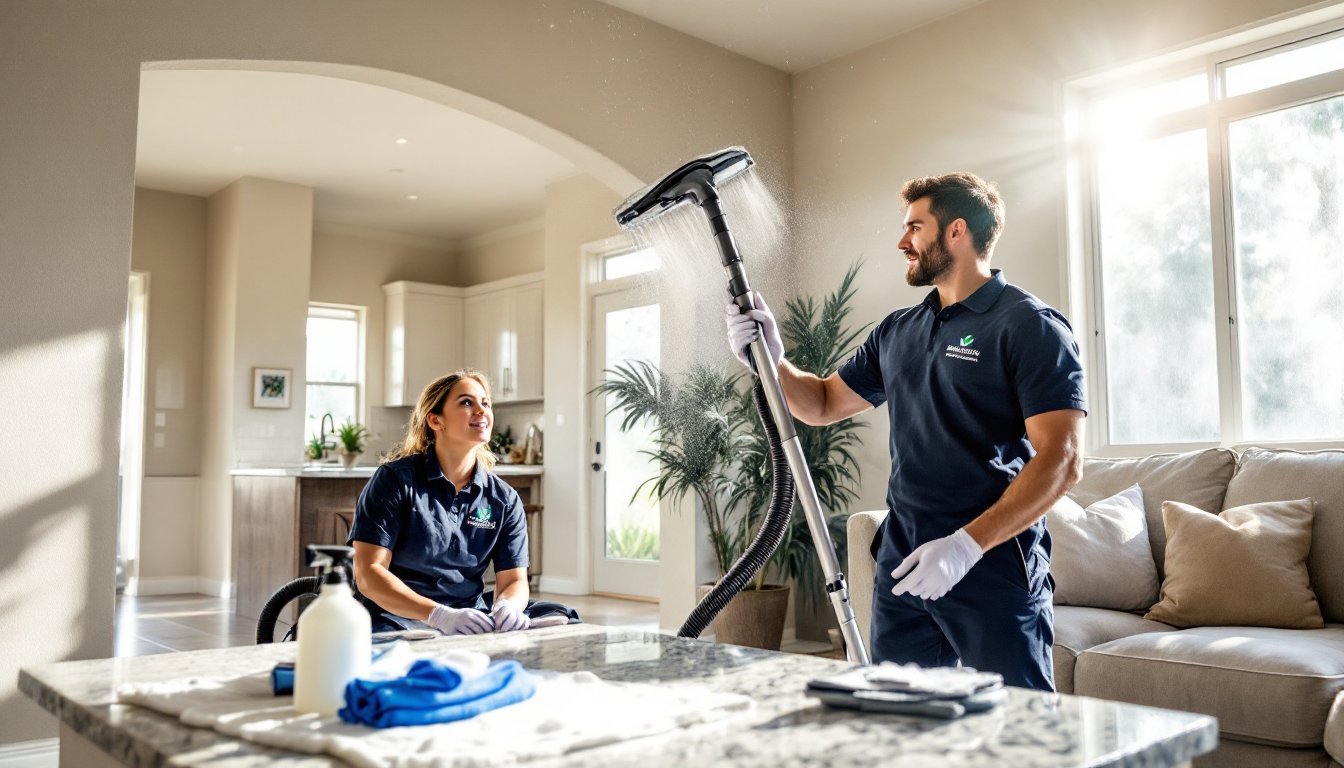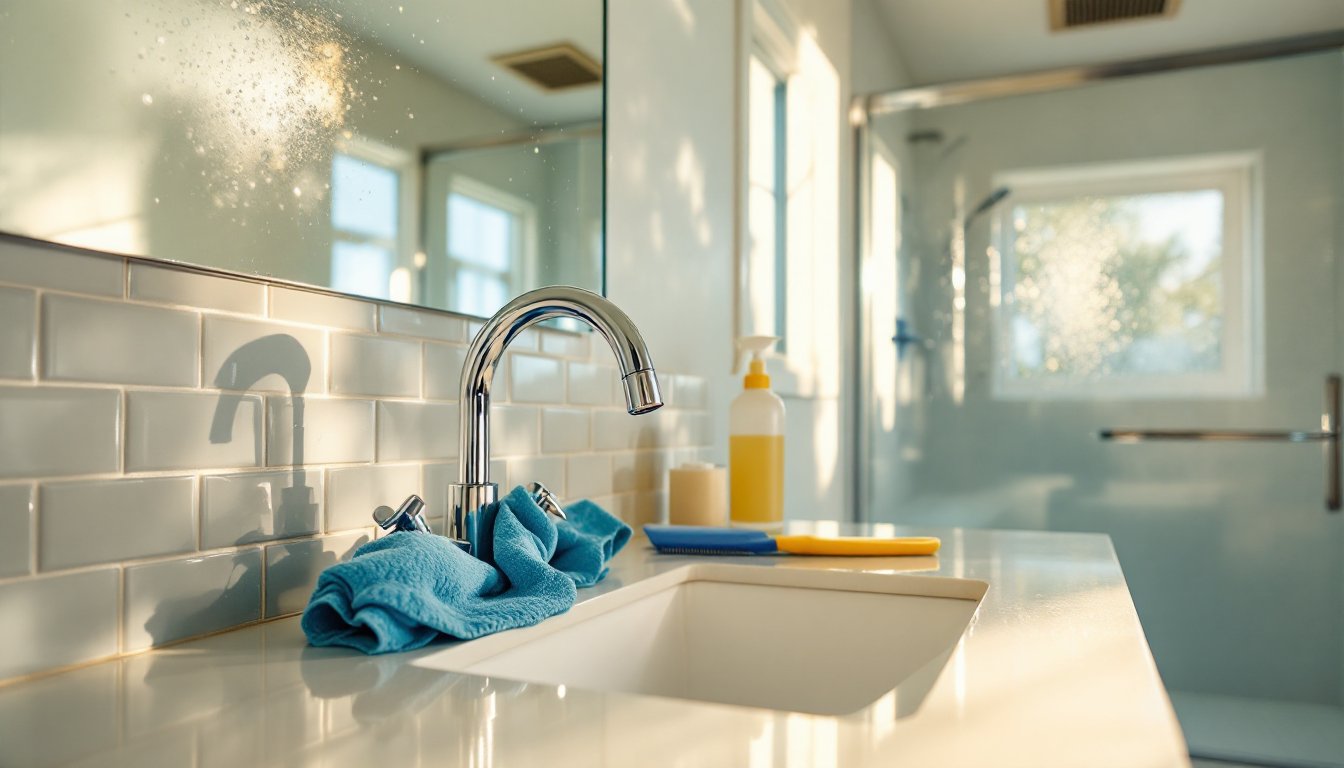
Nashville homeowners face unique cleaning challenges that many national guides overlook. The region’s humid climate, seasonal pollen surges, and the mixture of historic homes with modern construction mean no one-size-fits-all approach works. This guide cuts through the generic advice and focuses on what actually keeps Nashville homes clean, organized, and healthy throughout the year. Whether you’re managing dust from nearby construction, keeping wood floors pristine in humidity, or dealing with seasonal mold risks, a tailored cleaning routine makes all the difference. Let’s walk through the essential strategies that work specifically for homes in the Nashville area.
Table of Contents
ToggleKey Takeaways
- Nashville’s humid climate, seasonal pollen, and construction dust require tailored house cleaning routines that differ from generic national guides.
- Invest in essential supplies like HEPA-filter vacuums, pH-neutral floor cleaners, and dehumidifiers to combat Nashville-specific moisture and allergen challenges.
- Prioritize kitchens and bathrooms first with weekly deep cleaning, as these high-humidity areas harbor bacteria, grease, and mold growth most readily.
- Use a sustainable weekly schedule—dedicating specific days to different areas—rather than occasional deep cleans to prevent dust buildup and maintain consistent results.
- Implement daily maintenance in living spaces and bedrooms, including weekly window sill cleaning during peak pollen seasons and dusting with microfiber cloths to reduce allergens.
Why Nashville Homes Need a Tailored Cleaning Routine
Nashville’s climate isn’t forgiving when it comes to cleanliness. The Tennessee humidity, especially in spring and summer, creates conditions where dust settles faster, mold grows more readily, and indoor air quality deteriorates quicker than in drier climates. Add in the region’s seasonal allergen peaks and construction dust from the city’s ongoing development, and you’ve got a cleaning challenge that requires a specific approach.
Humidity also affects how quickly dirt and moisture accumulate on surfaces. Hardwood floors, which are common in Nashville’s older neighborhoods, absorb moisture differently than sealed concrete or tile. Window sills collect more condensation, creating perfect breeding grounds for mildew. These aren’t flaws in your home, they’re just the reality of the area.
A Nashville-specific routine accounts for these factors upfront. Instead of fighting the climate, you’re working with it. This means more frequent dusting during high-pollen seasons, strategic dehumidifying, and using cleaning products that combat moisture-related issues rather than just surface grime. The payoff is a cleaner home with less frustration and less wasted effort on methods that don’t match your actual environment.
Essential Cleaning Supplies and Tools for Nashville Homeowners
You don’t need to stock every product on the market. Focus on these core supplies that address Nashville-specific concerns:
Microfiber cloths grab dust better than cotton rags and reduce the amount of re-dusting you’ll need to do. Buy a variety pack, you’ll use them daily.
pH-neutral floor cleaner (or vinegar and water solution) works on hardwood without streaking or water damage. Avoid ammonia-based cleaners on wood: they leave residue that attracts dirt.
Dehumidifier or moisture-absorbing products like desiccant bags or activated charcoal help prevent mold and mildew, especially in bathrooms and basements. A small dehumidifier in the bathroom runs efficiently and prevents costly mold remediation later.
HEPA-filter vacuum captures fine particles and allergens that standard vacuums miss. This is non-negotiable in Nashville, where seasonal pollen counts spike.
Mold and mildew cleaner containing bleach or hydrogen peroxide handles bathroom and window sill issues quickly. Apply with ventilation, open windows and use exhaust fans.
Multipurpose disinfectant for counters, light switches, and high-touch surfaces keeps bacteria and viruses at bay, especially important in kitchens and bathrooms.
These essentials cost $40–$60 upfront and last months. Skip fancy specialty products: the basics work when applied correctly. Store supplies in a caddy you can carry room to room, it saves time and keeps you organized.
Room-by-Room Cleaning Strategy
Kitchen and Bathrooms: High-Priority Areas
These rooms demand attention first because they harbor bacteria, grease, and moisture. Start with the kitchen:
- Clear counters completely. Wipe them down with a damp cloth, then dry with a microfiber towel to prevent water spots.
- Clean the cooktop and backsplash with a degreaser (baking soda paste works for light grease). Buildup gets harder the longer it sits.
- Wipe cabinet fronts where grease accumulates, especially around handles.
- Sweep and mop floors last, so crumbs and splatters fall to the floor as you clean.
For bathrooms, where Nashville’s humidity creates the most problems:
- Ventilate first. Turn on the exhaust fan immediately. Leave it running for at least 30 minutes after you finish cleaning to remove moisture.
- Spray shower walls and tub with mold-prevention cleaner and let it sit for 5–10 minutes. Scrub with a brush, rinse thoroughly.
- Wipe down sink, faucet, and mirror with disinfectant. Don’t forget behind the faucet where water splashes.
- Clean the toilet bowl with a brush and toilet cleaner. Let it sit for a few minutes before scrubbing.
- Squeeze out shower caddies and bath mats to prevent mold growth on the underside. Wash mats weekly.
These two rooms take about 30–40 minutes combined but prevent major issues. Resources from Good Housekeeping confirm that bathrooms require more frequent deep cleaning in humid climates.
Living Spaces and Bedrooms: Daily Maintenance
These areas accumulate dust and allergens, especially troublesome in Nashville’s seasonal pollen waves:
- Dust surfaces with microfiber cloths in a top-to-bottom pattern (shelves, nightstands, ceiling fans). Gravity helps: dust falls down, so work down.
- Vacuum thoroughly, using a HEPA-filter vacuum to capture fine particles. Pay extra attention to baseboards and under furniture where dust settles.
- Straighten and organize as you go. A cluttered surface collects more dust than a clear one.
- Wash windows and sills monthly, especially during spring and fall when pollen counts spike. Window sills are major dust collectors.
- Shake out bedding and cushions weekly, ideally outside or near a window. This removes dead skin cells and dust mites.
Bedrooms and living areas don’t require the deep attention bathrooms do, but consistent upkeep prevents dust buildup that aggravates allergies. Real Simple recommends daily tidying as part of effective cleaning routines.
Creating a Sustainable Weekly Cleaning Schedule
Consistency beats intensity. A solid weekly schedule means nothing gets neglected, and you’re not overwhelmed by a monthly deep clean.
Monday: Kitchen and Bathrooms
Focus energy here when you’re fresh. Deep clean appliances, baseboards, and behind toilets.
Tuesday: Bedrooms
Dust all surfaces, vacuum thoroughly, change bed linens, and organize closets if needed.
Wednesday: Light Day (Tidy and Spot-Clean)
Wipe down high-touch surfaces, sweep kitchen, quick bathroom touch-up. Keep momentum without burnout.
Thursday: Living Spaces
Dust living room furniture, vacuum, wash windows or window sills if it’s a pollen-heavy week.
Friday: Floors
Mop hard floors, vacuum carpets, clean baseboards. End the week fresh for the weekend.
Saturday and Sunday: As-Needed Maintenance
Handle spills immediately, tidy after cooking, do laundry. Preventive cleaning during the weekend keeps Monday from feeling overwhelming.
Adjust this based on your home’s size and traffic. A smaller Nashville condo might combine Monday and Tuesday, while a larger home might dedicate more time to each area. Track what works for you over four weeks, you’ll find your rhythm.
Set phone reminders on days you struggle to remember. Start with just one area per day rather than rushing through everything. The Spruce suggests that sustainable schedules focus on progress over perfection, which resonates especially in humid climates where quick daily maintenance prevents bigger problems.
Conclusion
Nashville homes demand attention to humidity, pollen, and seasonal challenges that generic cleaning guides miss. Focus on high-traffic areas like kitchens and bathrooms first, invest in humidity control, and stick to a weekly schedule that fits your life. Consistency and prevention beat occasional deep cleans every time. Your Nashville home will stay cleaner, healthier, and easier to maintain when you work with the climate, not against it.